
November 10, 2026
Taking your fish home: transport and the first 48 hours
How to transport cichlids without stress, by car or by Uber, how to add them to the tank step by step, and what to do and avoid in the first 48 hours.
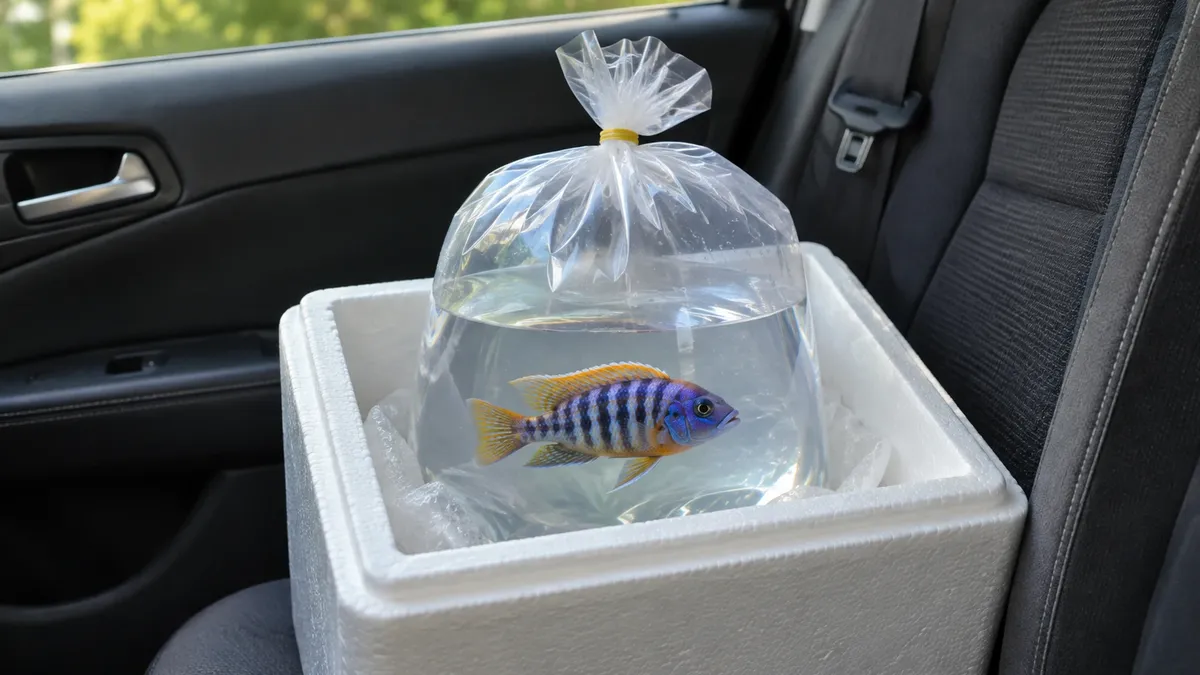
The trip home and the first two days are the most delicate time for a new fish. With a few simple steps, the vast majority arrive well and settle in without trouble. This guide covers transport, how to add the fish to the tank and what to do during the first 48 hours.
Before you leave
- The tank must be ready and cycled, with the filter and heater running. See what to check before buying.
- Bring a cooler or box, styrofoam or cardboard: it keeps the temperature stable and the bag dark, which calms the fish.
- Plan to go straight home. A bag with oxygen lasts several hours, but the less time, the better.
During the trip
- Keep the bag out of the sun and away from the air-conditioning vent.
- Keep it from bumping around: put the box on the car floor or secure it on the seat.
- Do not open the bag until you arrive.
- If it comes by Uber: ask the driver to keep the box upright and out of the sun, and receive it as soon as it arrives.
On arrival: adding it to the tank step by step
- Turn off the tank light to lower stress.
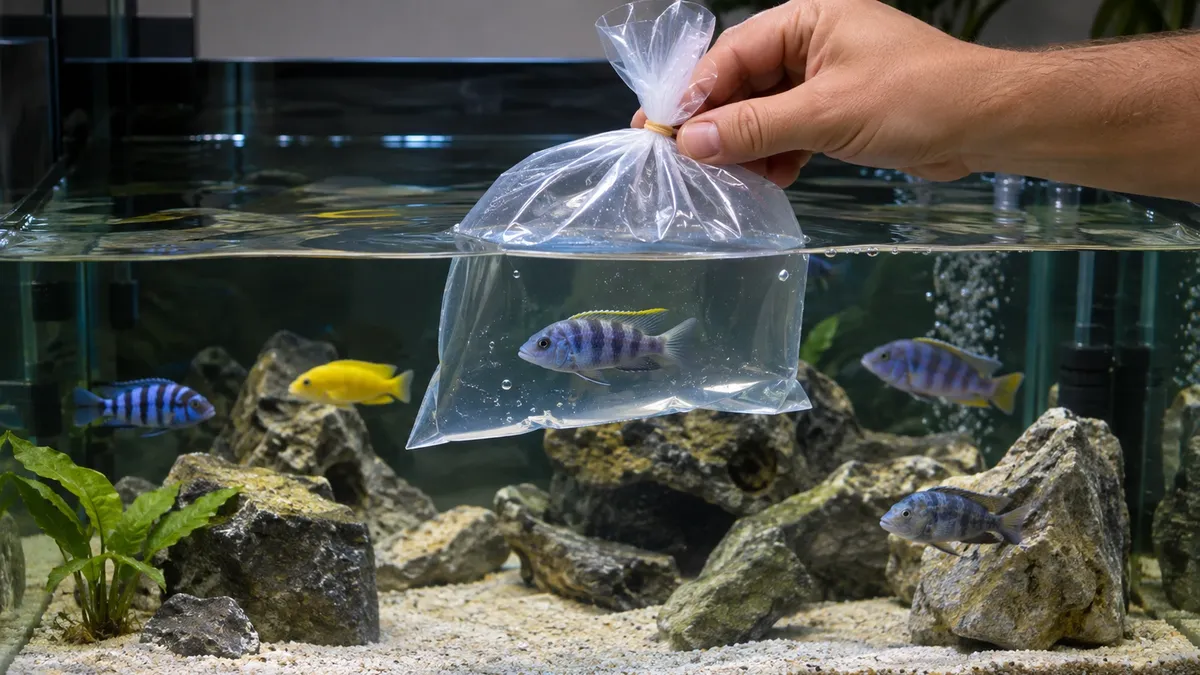
- Float the closed bag in the tank for about 15 to 20 minutes to match the temperature.
- Open it and add a little tank water every 5 minutes, three or four times, so the fish gets used to the new water.
- Move the fish with a net and discard the bag water. Do not pour it into the tank.
If you already keep other fish, a quarantine in a separate tank is ideal. We explain it in quarantine and acclimation.
The first 48 hours
- Lights off or low on the first day.
- No food on the first day. On the second day, a small portion. A stressed fish digests poorly, and leftover food fouls the water.
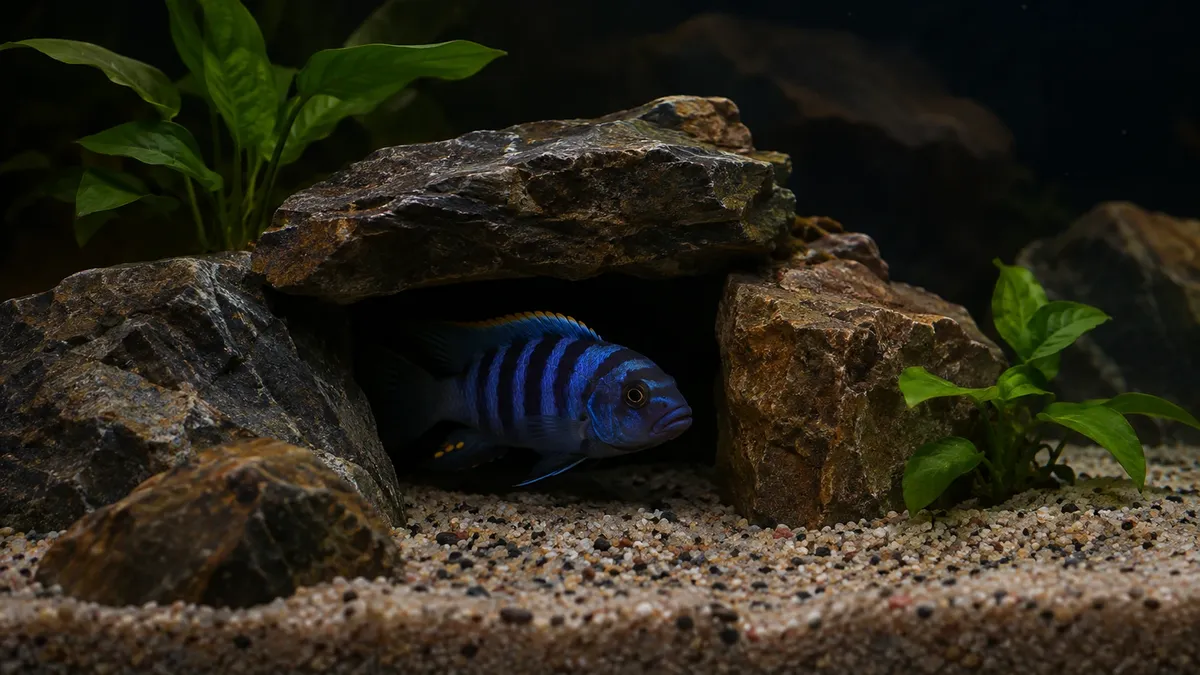
- Hiding is normal, and so is looking pale: the color returns within a few days.
- Watch the other fish: if one keeps chasing it, rearrange the rocks to break up territories or separate it for a while.
- Avoid big changes to the water or decor during those days.
When to worry
If after three or four days the fish is not eating, breathes very fast at the surface, has a swollen belly or shows white spots, check the water and ask for help. In why a cichlid loses color or hides and Malawi bloat we explain the most common causes.
If you buy from us
We hand over every fish in a bag with oxygen, ready for the trip. You can pick it up or book your own Uber Flash when you order from the catalog. If you have questions after your purchase, message us.
Discuss it in the forumMy aquarium
More from the blog
 November 10, 2026
Buying African cichlids in Costa Rica: what to check before taking them home
How to spot a healthy fish, what to ask the seller, juveniles or adults, male or female, and what to have ready at home before buying fish in Costa Rica.
Read →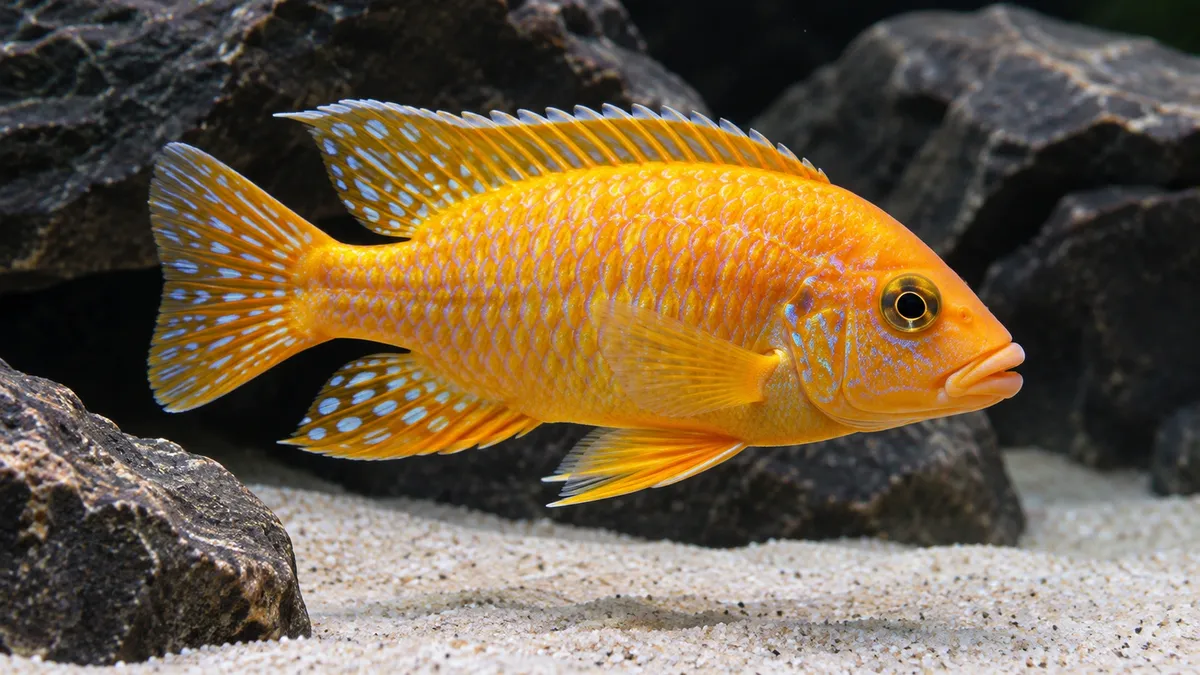 November 6, 2026
Golden Dragon peacock: care, color and tank mates
The golden peacock: what the Golden Dragon name really means, how to keep it, how to maintain its color and which fish to keep it with.
Read →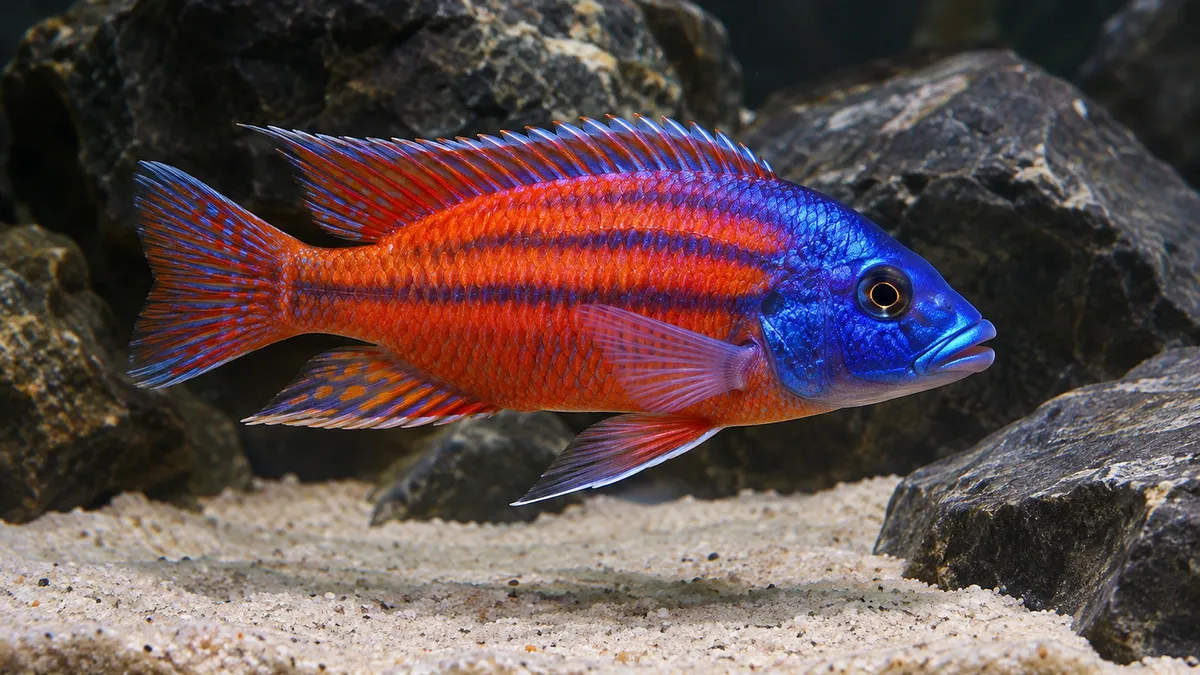 November 6, 2026
Hybrid African cichlids: what they are, how to spot them and whether to buy one
Why Malawi cichlids crossbreed so easily, the difference between an aquarium line and an accidental cross, how to spot a hybrid and when buying one makes sense.
Read →