
November 10, 2026
Buying African cichlids in Costa Rica: what to check before taking them home
How to spot a healthy fish, what to ask the seller, juveniles or adults, male or female, and what to have ready at home before buying fish in Costa Rica.
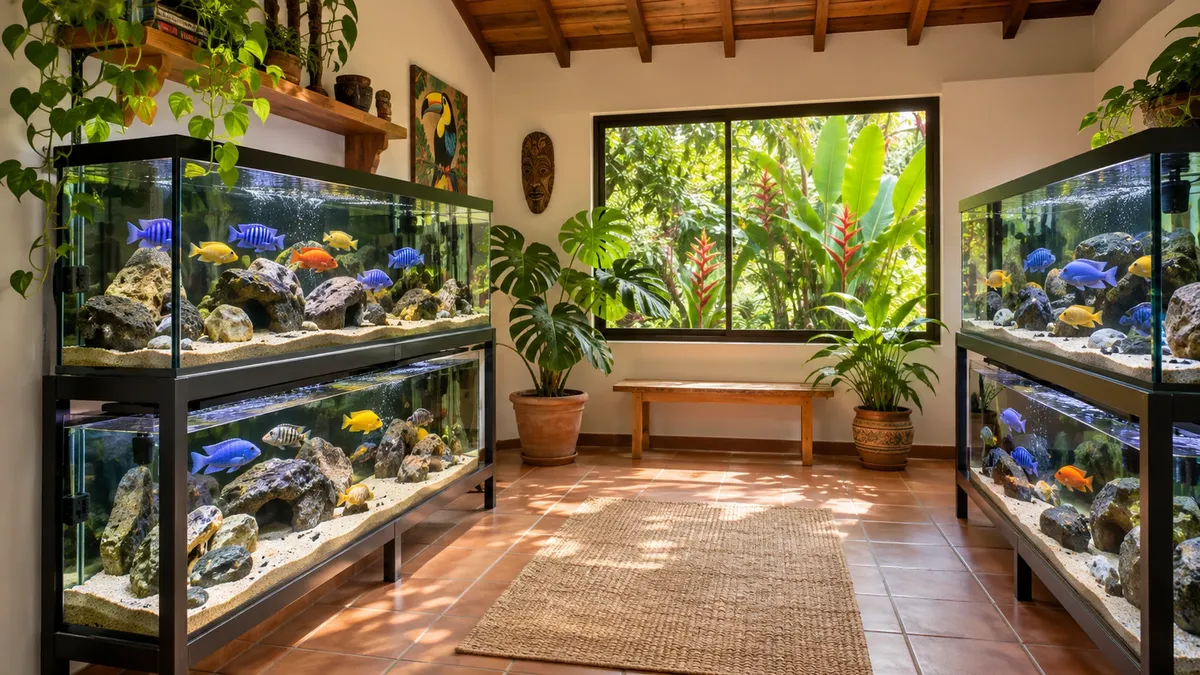
Buying fish in Costa Rica is easier than ever, but not every fish arrives equally healthy or with the right information. A good start avoids most problems: fish that fall ill the first week, species that do not get along, or a "male" that turns out to be female. This guide helps you choose well.
1. Have the tank ready before you buy
The most common mistake is buying the fish and the tank on the same day. The water needs to cycle for a few weeks so the filter bacteria can process waste. Before buying, make sure you have:
- A tank of the right size for the species. See tank size and stocking.
- Hard, alkaline water, prepared as we explain in Costa Rica tap water.
- A running filter, a heater and rocks.
2. How to spot a healthy fish
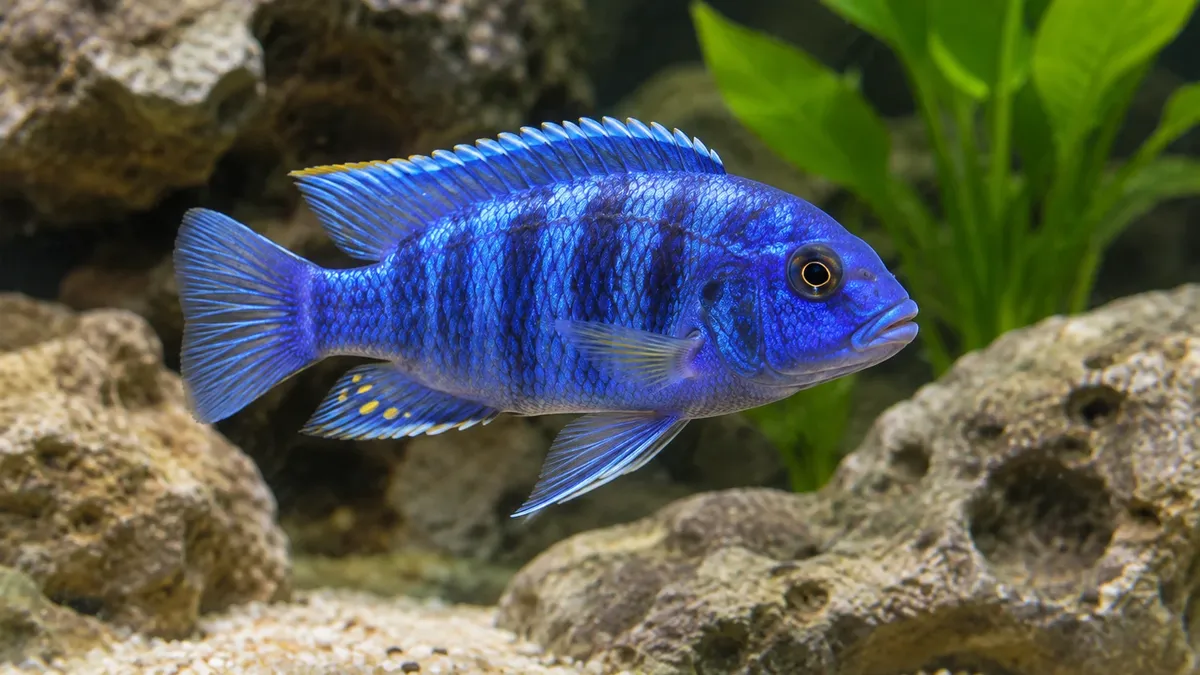
- It swims actively and comes to the food. Be wary of a fish sitting still in a corner or hanging at the surface.
- Clear eyes, not cloudy or swollen.
- Intact fins, without large tears or white edges.
- No white spots, cottony patches or wounds.
- A normal belly, neither sunken nor swollen. See Malawi bloat.
- The other fish in the tank look healthy too. If there are sick fish in the same tank, better wait.
3. What to ask the seller
- Which species is it exactly? If it is an aquarium line or a cross, they should tell you. See hybrid cichlids.
- Is it male or female? With many juveniles nobody knows yet. If the seller says so, ask how they know. See male or female.
- How big is it now and how big will it get? A 6 cm juvenile can reach 20 cm.
- What does it eat? That way you can keep the same food for the first few days.
- Which fish does it live with? See compatible cichlids.
4. Juveniles or adults?
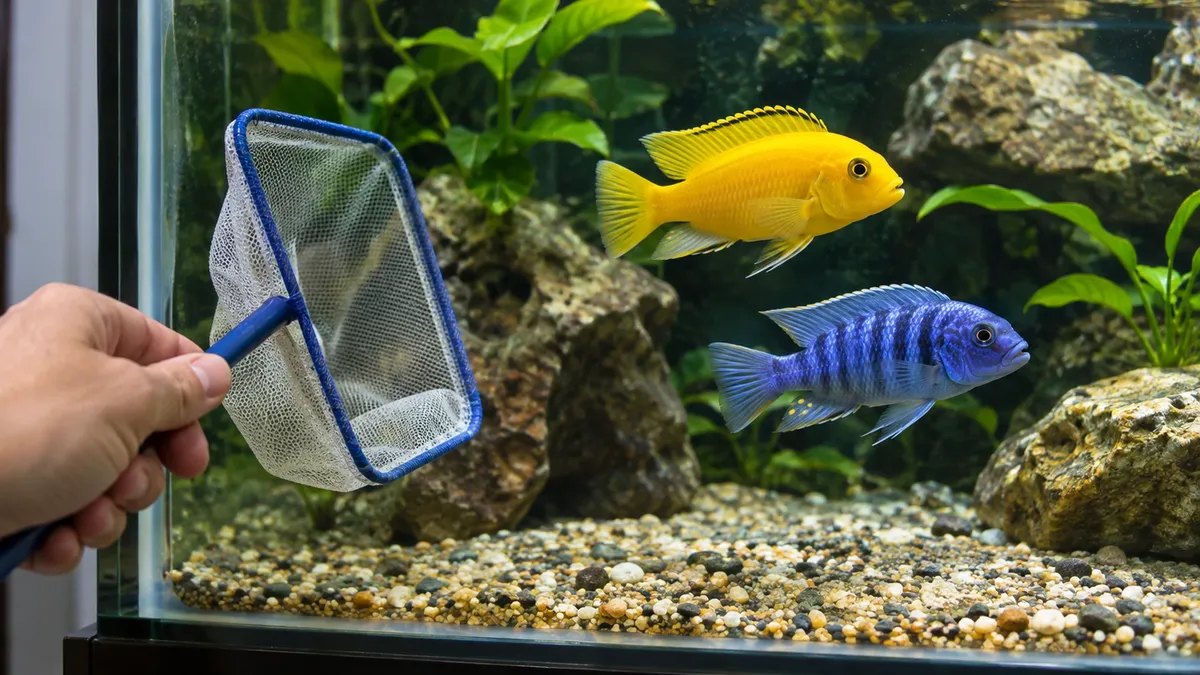
- Juveniles: cheaper and adapt better, but their color and sex are not set yet.
- Adults: you see exactly what you buy, in full color. They cost more and should be added carefully to an established tank.
For a group of mbuna, the usual approach is to start with several juveniles at once. For a centerpiece fish, an already-sexed adult.
5. Getting it home
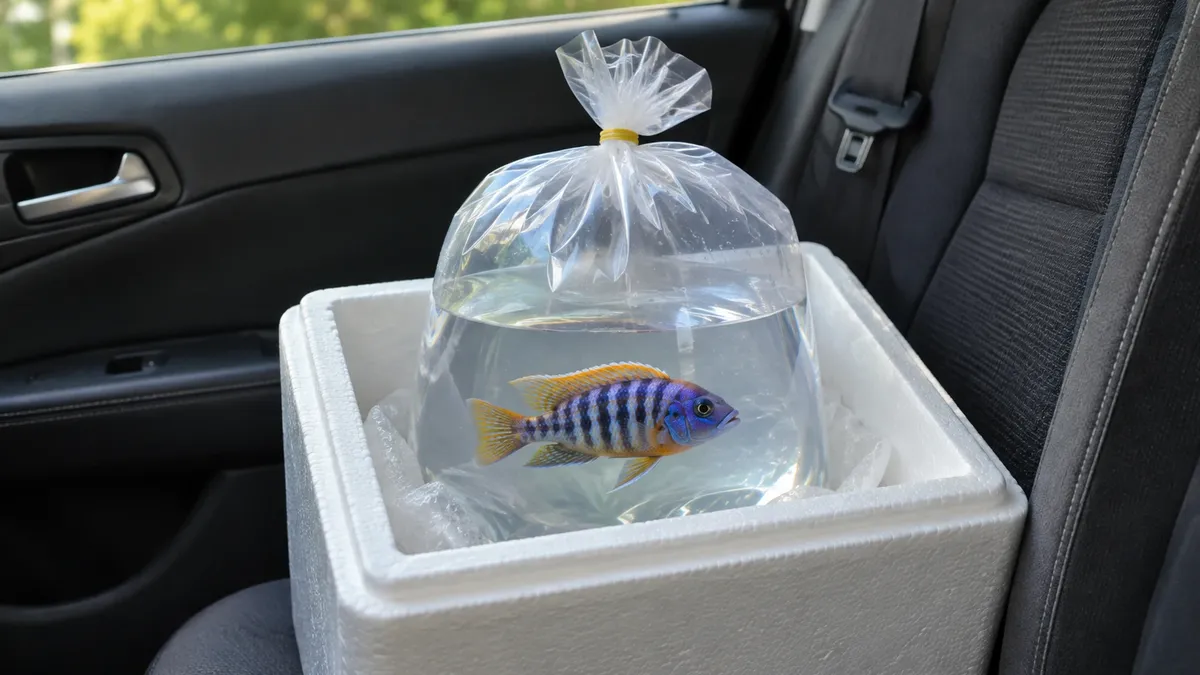
Ask for the fish in a bag with oxygen, carry it in a cooler or box and go straight home. At home, follow the steps in taking your fish home and quarantine and acclimation.
Buying from us
In our catalog every fish has real photos of the actual fish, its size, its sex when we know it, and whether it is a species, an aquarium line or a cross. You can order online and pick it up, or book your own Uber to receive it. If this is your first tank, start with the beginner's guide.
Discuss it in the forumMy aquarium
More from the blog
 November 10, 2026
Taking your fish home: transport and the first 48 hours
How to transport cichlids without stress, by car or by Uber, how to add them to the tank step by step, and what to do and avoid in the first 48 hours.
Read →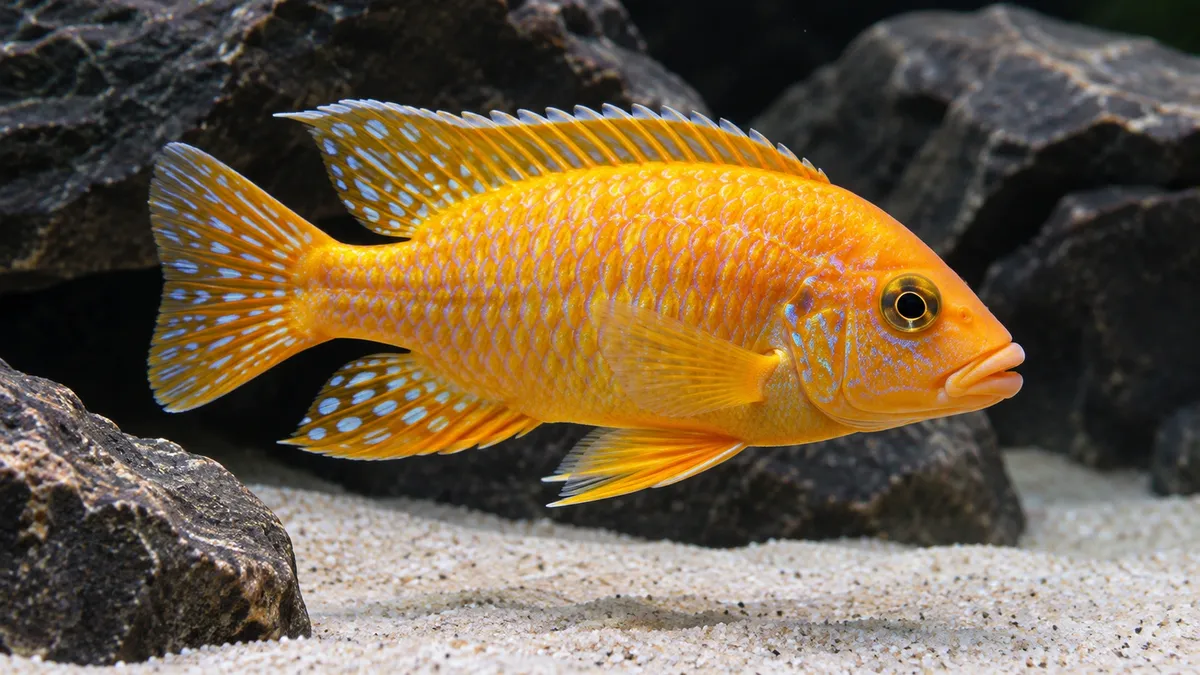 November 6, 2026
Golden Dragon peacock: care, color and tank mates
The golden peacock: what the Golden Dragon name really means, how to keep it, how to maintain its color and which fish to keep it with.
Read →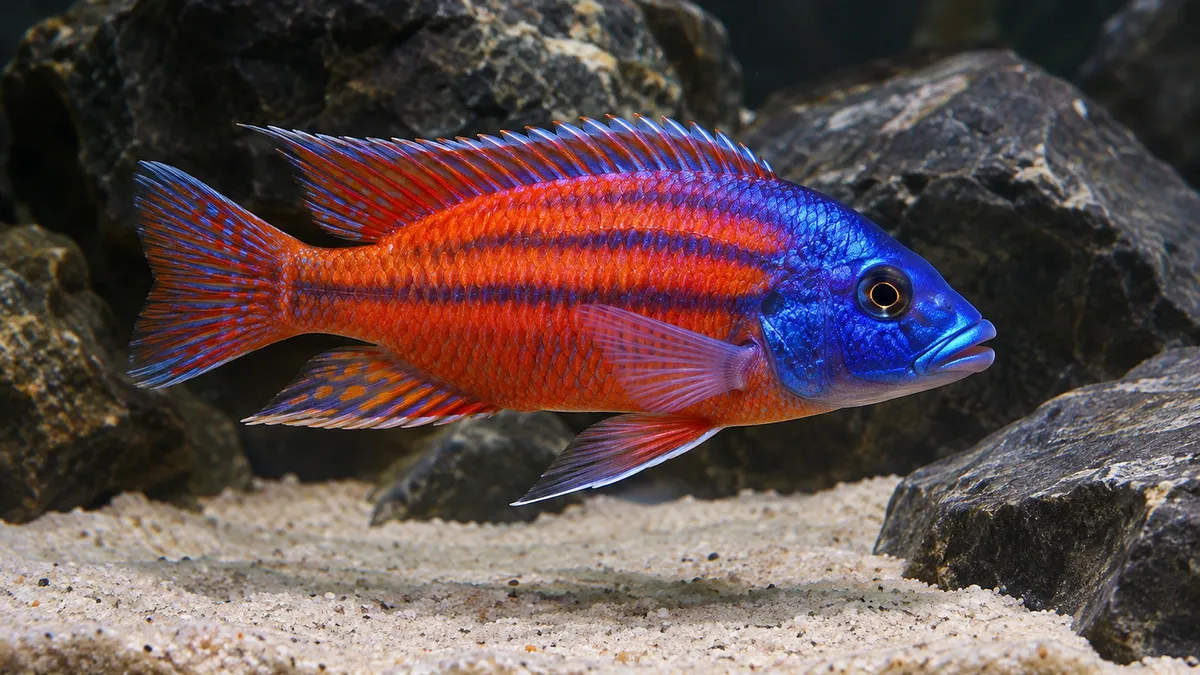 November 6, 2026
Hybrid African cichlids: what they are, how to spot them and whether to buy one
Why Malawi cichlids crossbreed so easily, the difference between an aquarium line and an accidental cross, how to spot a hybrid and when buying one makes sense.
Read →