
Blog
Learn, try, share.
Practical articles for keeping your African cichlids better.
 November 12, 2026
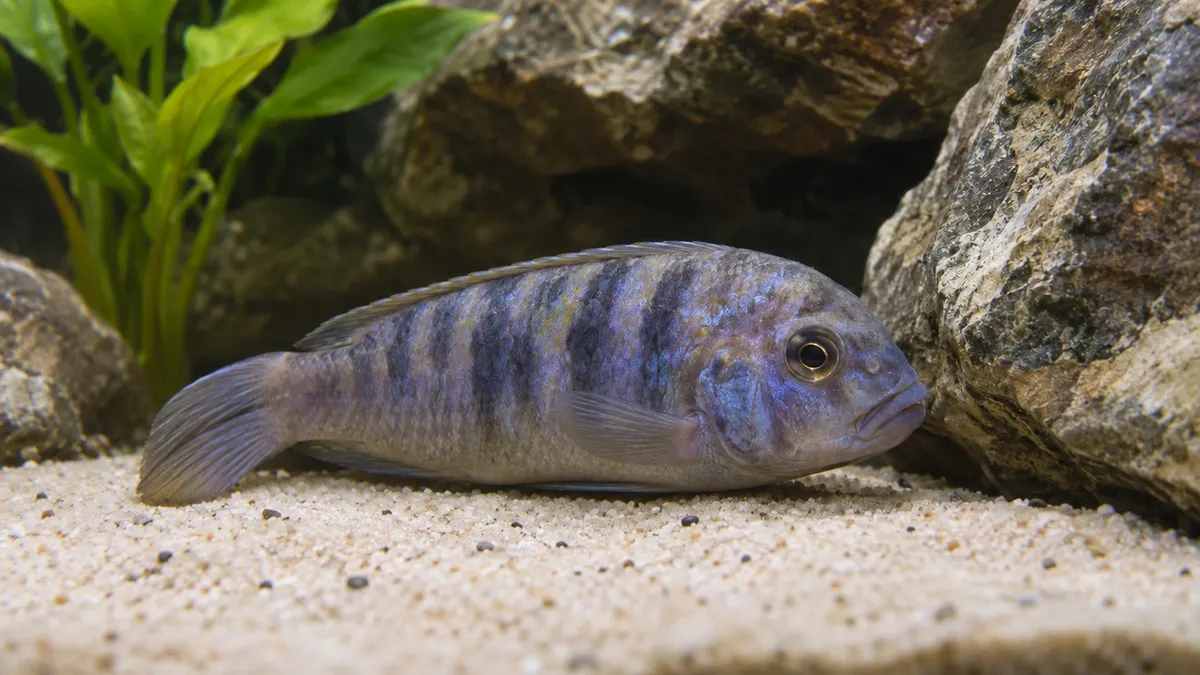
Common African cichlid diseases: how to recognize them and what to do
White spot, fin rot, fungus, Malawi bloat, hole in the head and wounds: signs, causes and first steps, starting with a water check.
Read →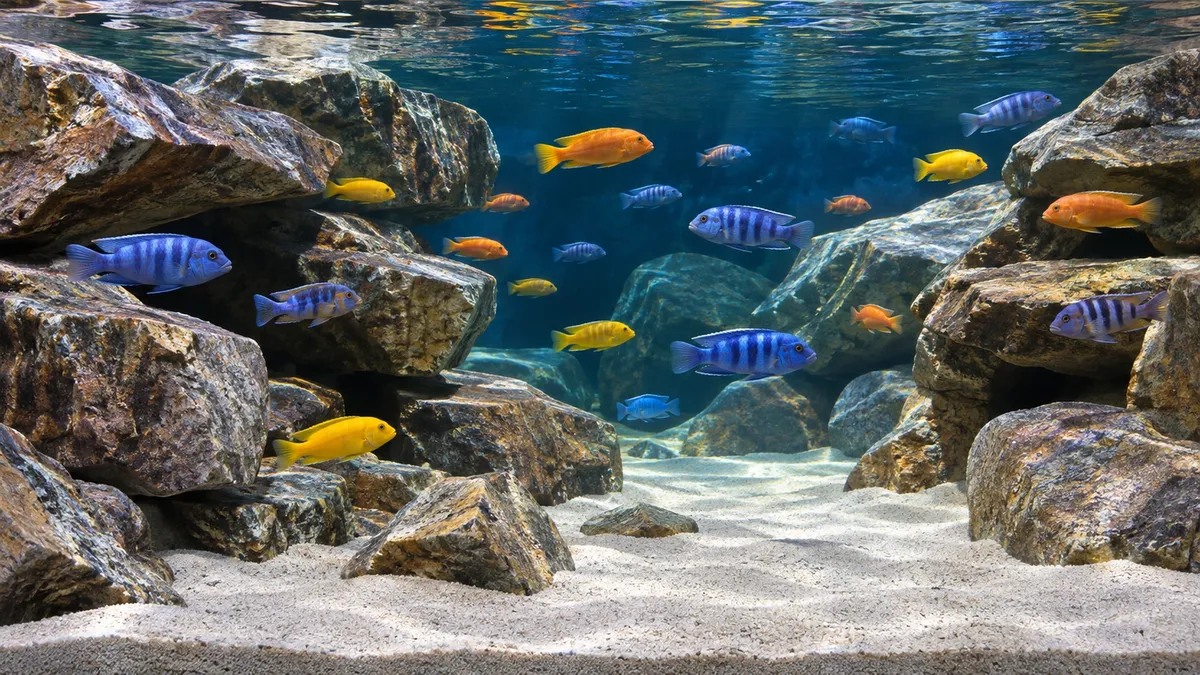 November 12, 2026
Malawi aquarium: how to set up a lake biotope step by step
How to set up a tank that recreates Lake Malawi: rocks, sand, plants that survive, water, light and the order to build it in, depending on whether you keep mbuna or peacocks.
Read →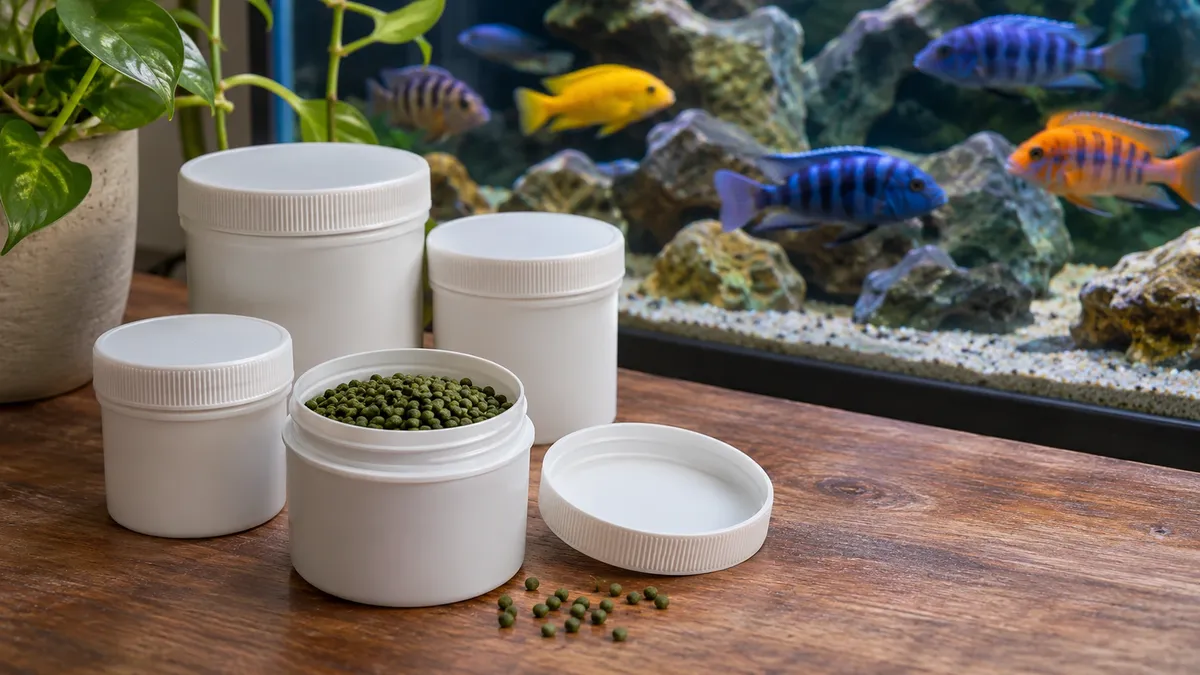 November 11, 2026
How to choose food for your cichlids: what to read on the label
What to look for on an African cichlid food label: ingredients, protein, fat, spirulina, color enhancers, pellet size, expiry date and how to store it.
Read →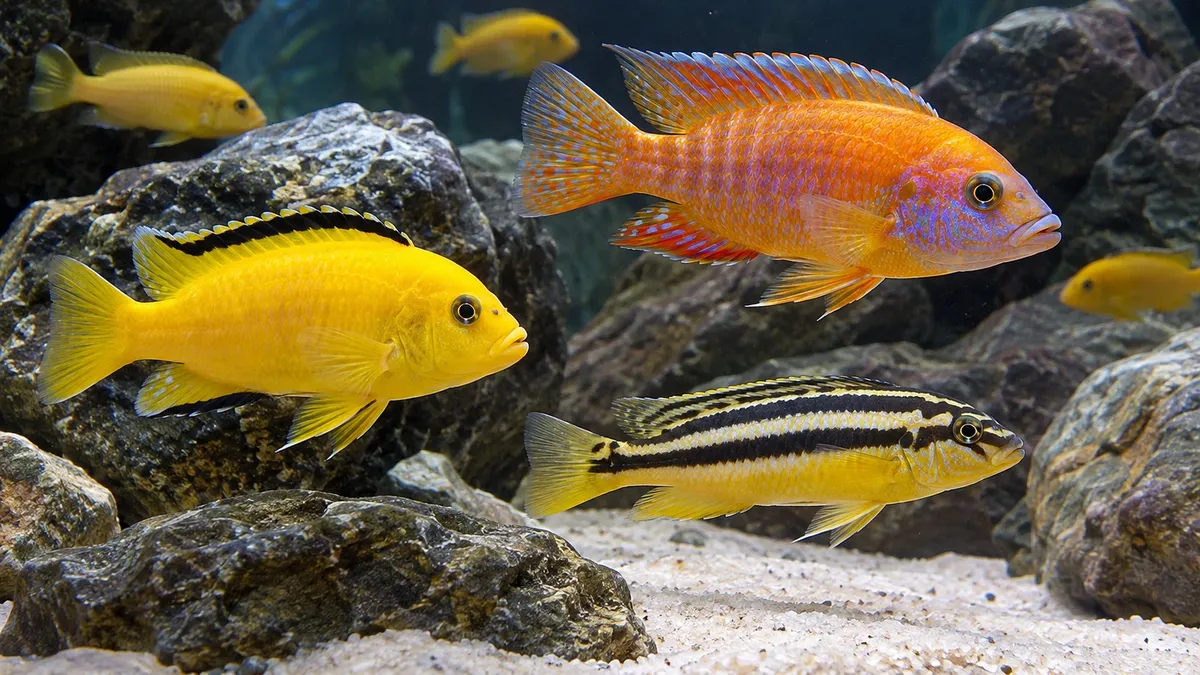 November 11, 2026
Yellow African cichlids: Electric Yellow, Auratus, Saffron and which to choose
The most common yellow cichlids from Lake Malawi compared: temperament, size, tank and tank mates, so you can pick the yellow that suits your aquarium.
Read →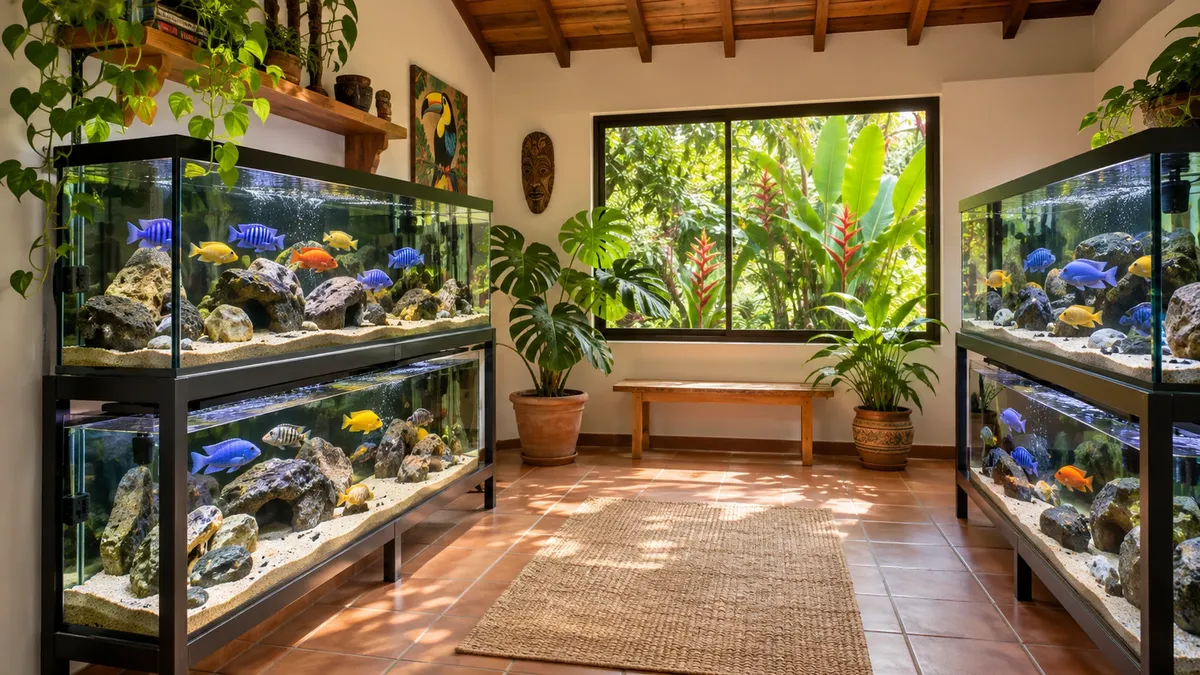 November 10, 2026
Buying African cichlids in Costa Rica: what to check before taking them home
How to spot a healthy fish, what to ask the seller, juveniles or adults, male or female, and what to have ready at home before buying fish in Costa Rica.
Read →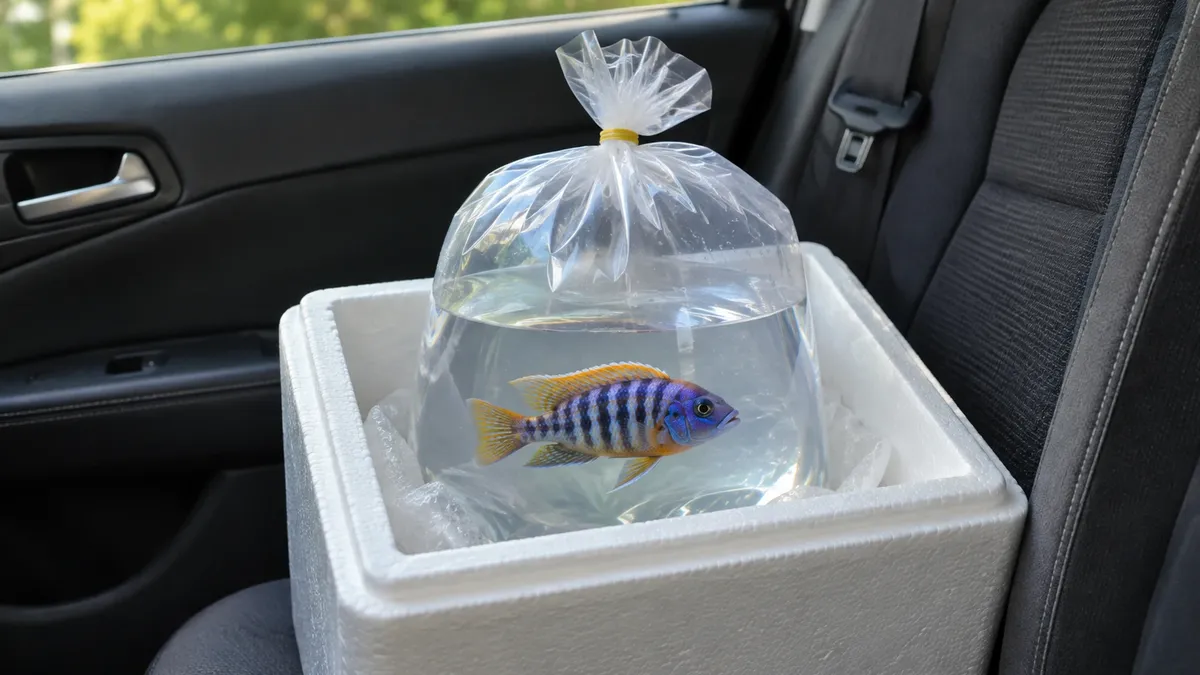 November 10, 2026
Taking your fish home: transport and the first 48 hours
How to transport cichlids without stress, by car or by Uber, how to add them to the tank step by step, and what to do and avoid in the first 48 hours.
Read →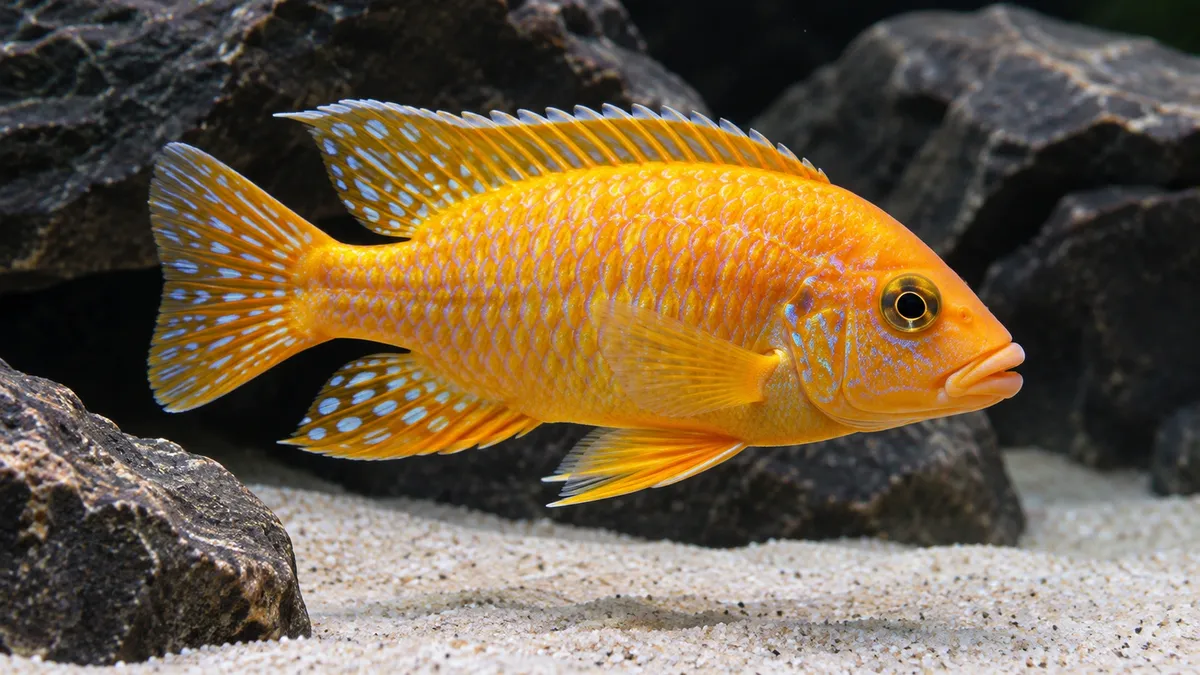 November 6, 2026
Golden Dragon peacock: care, color and tank mates
The golden peacock: what the Golden Dragon name really means, how to keep it, how to maintain its color and which fish to keep it with.
Read →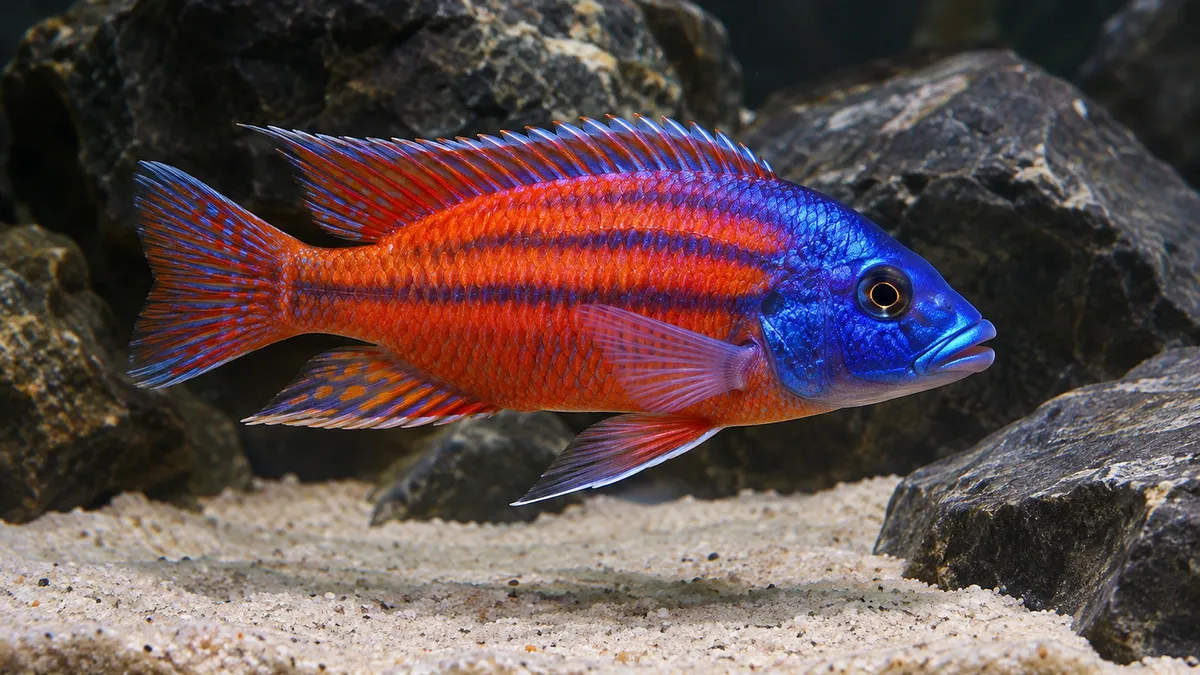 November 6, 2026
Hybrid African cichlids: what they are, how to spot them and whether to buy one
Why Malawi cichlids crossbreed so easily, the difference between an aquarium line and an accidental cross, how to spot a hybrid and when buying one makes sense.
Read →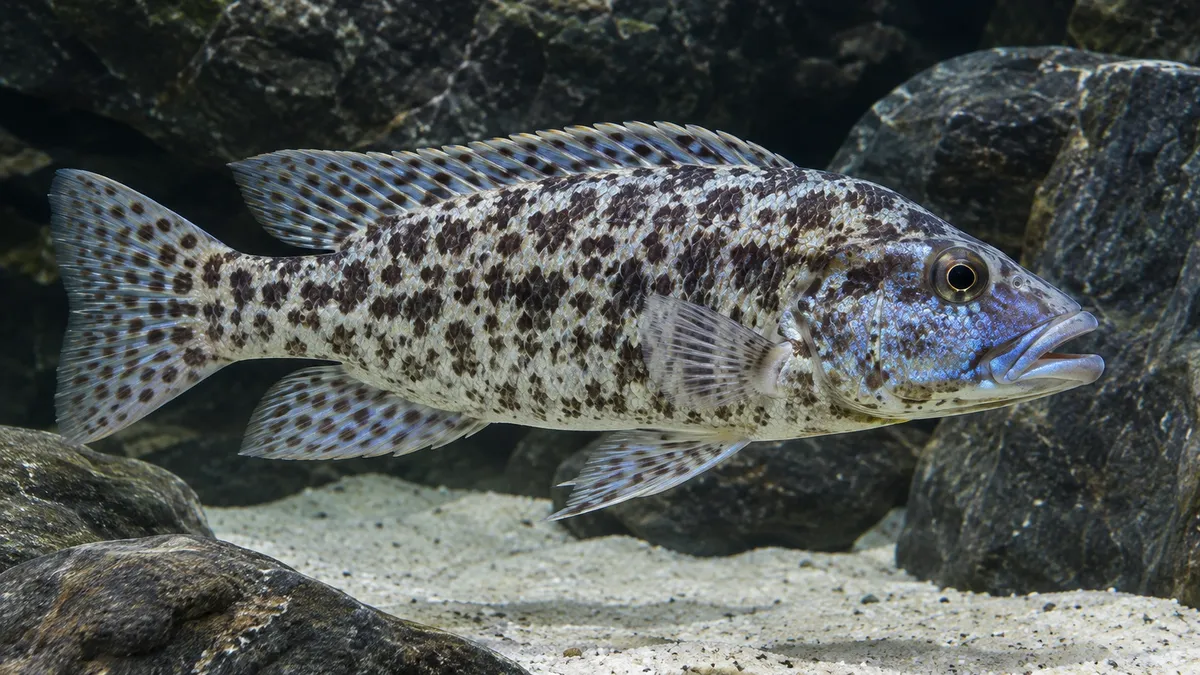 November 5, 2026
Polystigma (Nimbochromis polystigma): care for a Lake Malawi hunter
The many-spotted cichlid: size, tank, diet, how it hunts, male and female, and which fish can live with it without being eaten.
Read →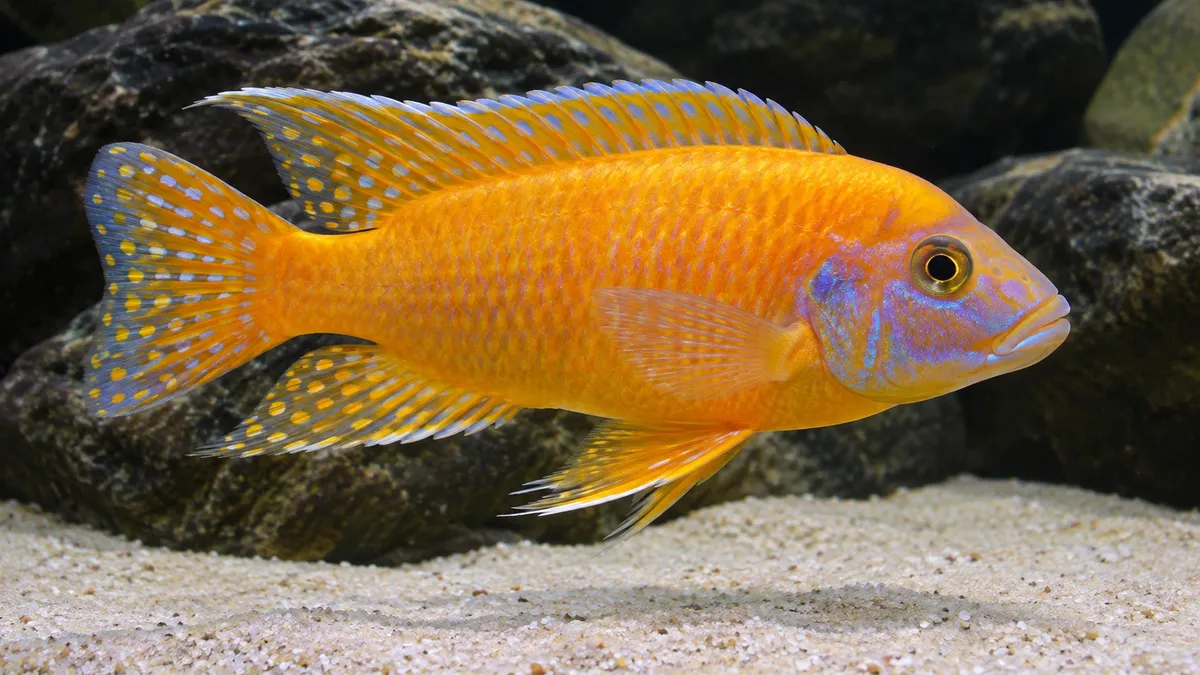 November 5, 2026
Saffron peacock (Aulonocara "Saffron"): care, color and size
The saffron-colored peacock: where it comes from, how big it gets, what tank it needs as an adult, how to keep its color and which fish to keep it with.
Read →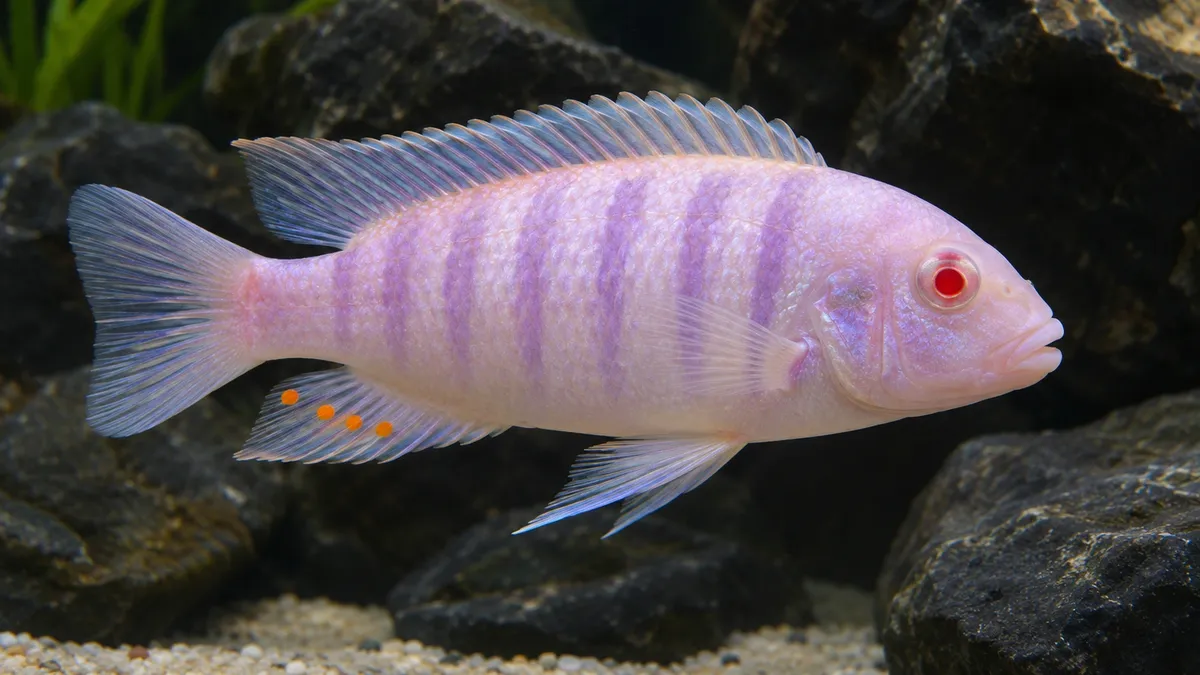 November 4, 2026
Albino African cichlids: what they are, care and how to choose one
Why they have red eyes, what extra care they need (light, tank mates and food), which albino varieties exist and how to spot a good fish.
Read →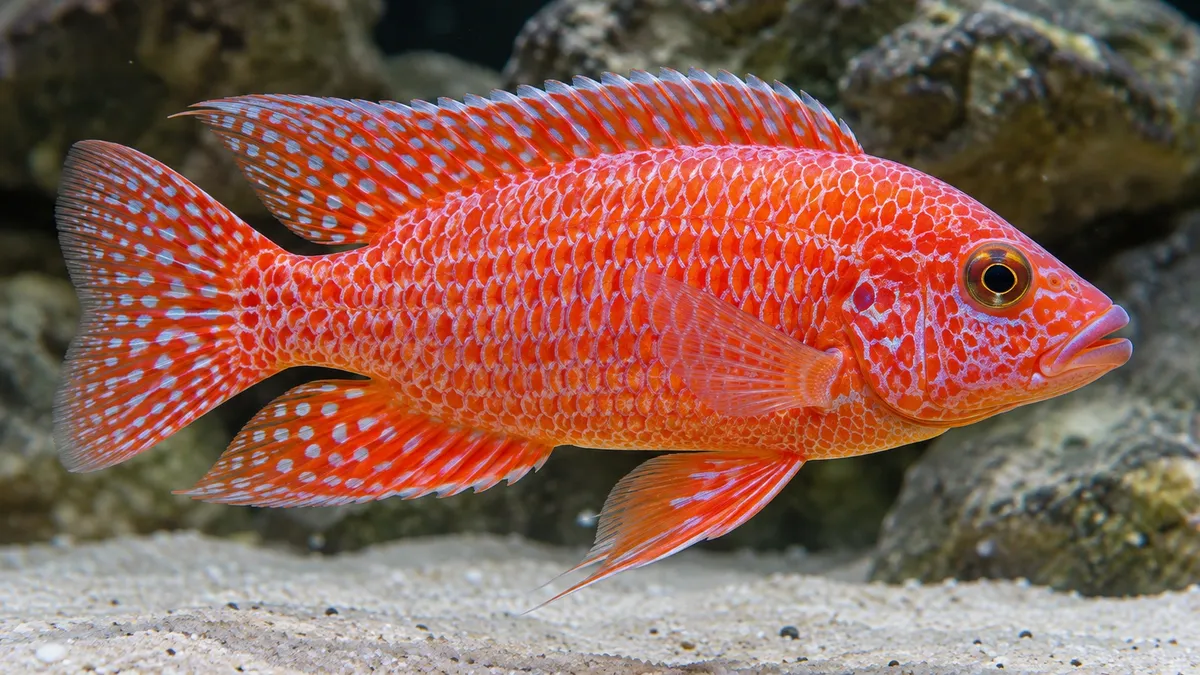 November 4, 2026
Dragon Blood peacock (Strawberry): care, color and tank mates
The red peacock with the white netting: where it comes from, how its color changes with age, how to keep it intense, male and female, and which fish to keep it with.
Read →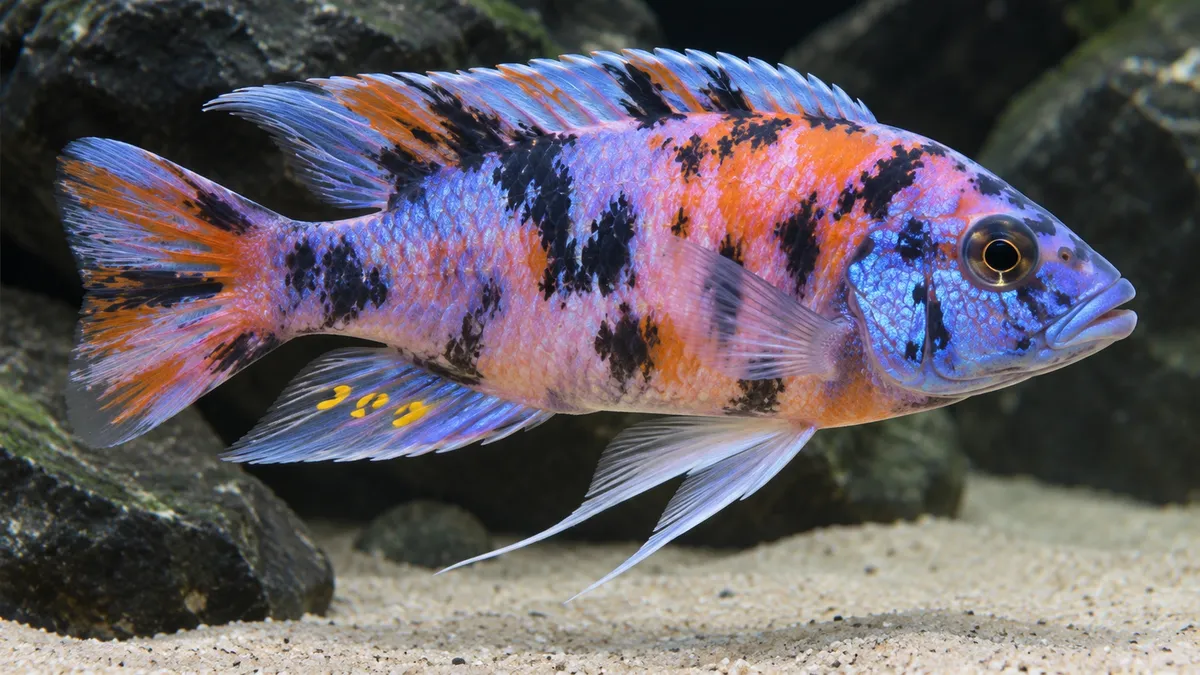 November 4, 2026
OB peacock (Aulonocara "OB"): what it is, colors and care
What OB means, why no two look alike, how males and females differ, how to keep them and what to know before breeding them.
Read →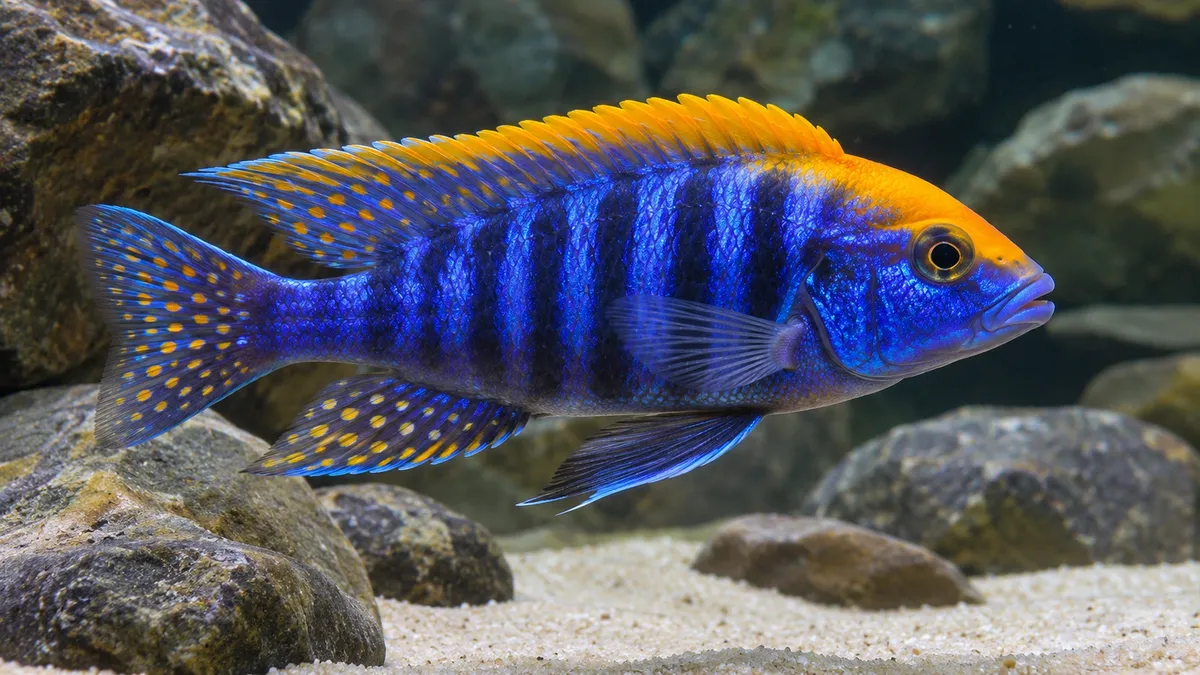 November 4, 2026
Sulfurhead peacock (Aulonocara maylandi): care, colors and tank mates
The blue peacock with the yellow crown: size, tank, diet, how to tell male from female, which fish it lives well with and how to avoid hybrids.
Read →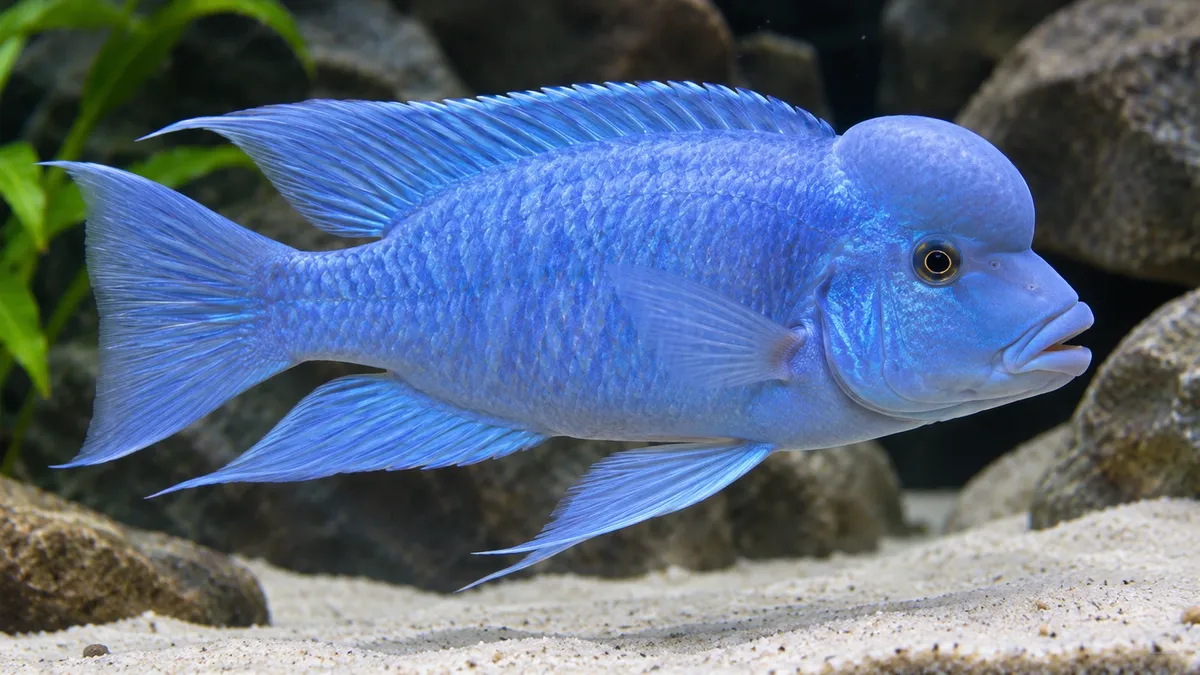 November 2, 2026
Blue Dolphin (Cyrtocara moorii): care, hump and calm temperament
Lake Malawi's humped blue cichlid: how big it gets, what tank and food it needs, how to sex it and why it is one of the most peaceful large cichlids.
Read →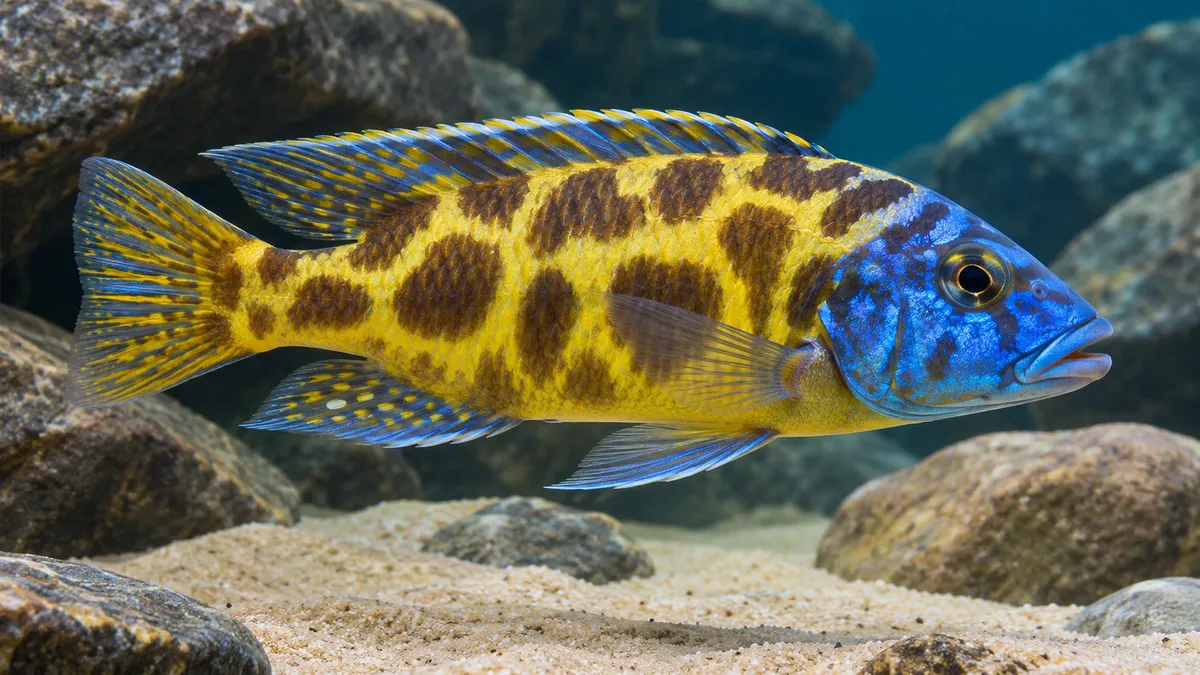 November 2, 2026
Venustus (Nimbochromis venustus): care, size and tank mates
Lake Malawi's giraffe cichlid: how big it gets, what tank it needs, what it eats, how to tell male from female and which fish can live with it without being eaten.
Read →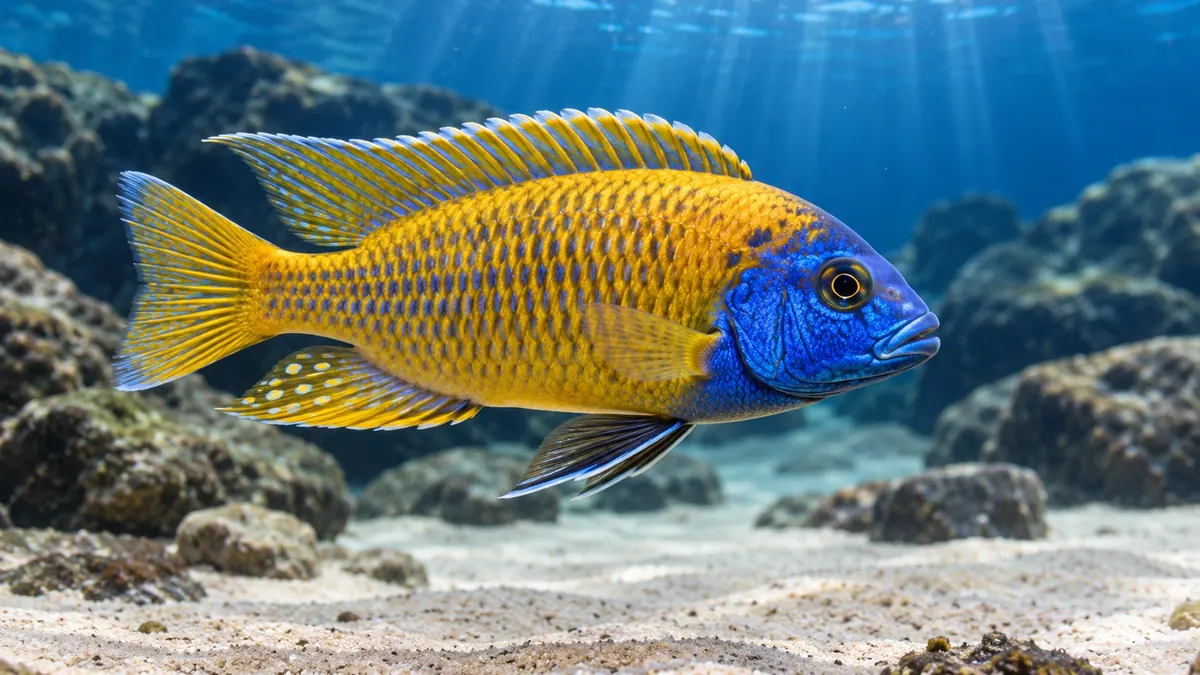 November 1, 2026
Benga peacock (Aulonocara baenschi): care, colors and tank mates
The yellow peacock with a blue face: size, tank, diet, male and female differences, and how to build a calm peacock tank.
Read →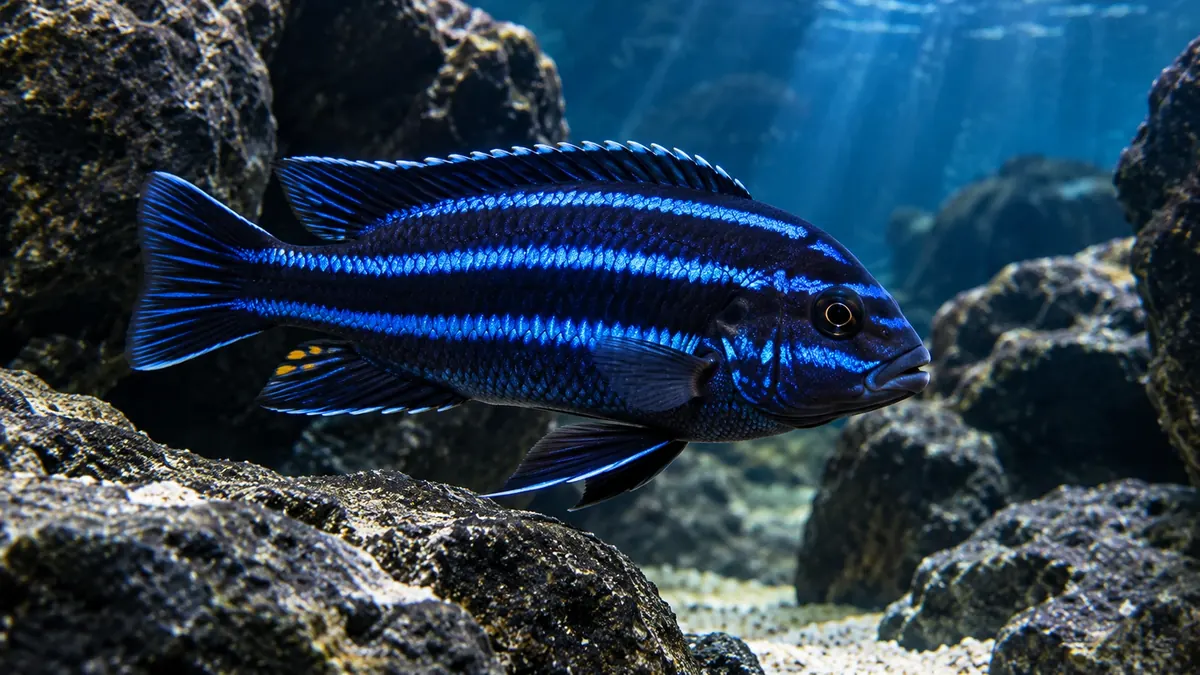 November 1, 2026
Chipokae (Melanochromis chipokae): care and how to handle its temperament
One of the most beautiful and most aggressive mbuna: male and female colors, tank, diet, sex ratio and which fish it can live with.
Read →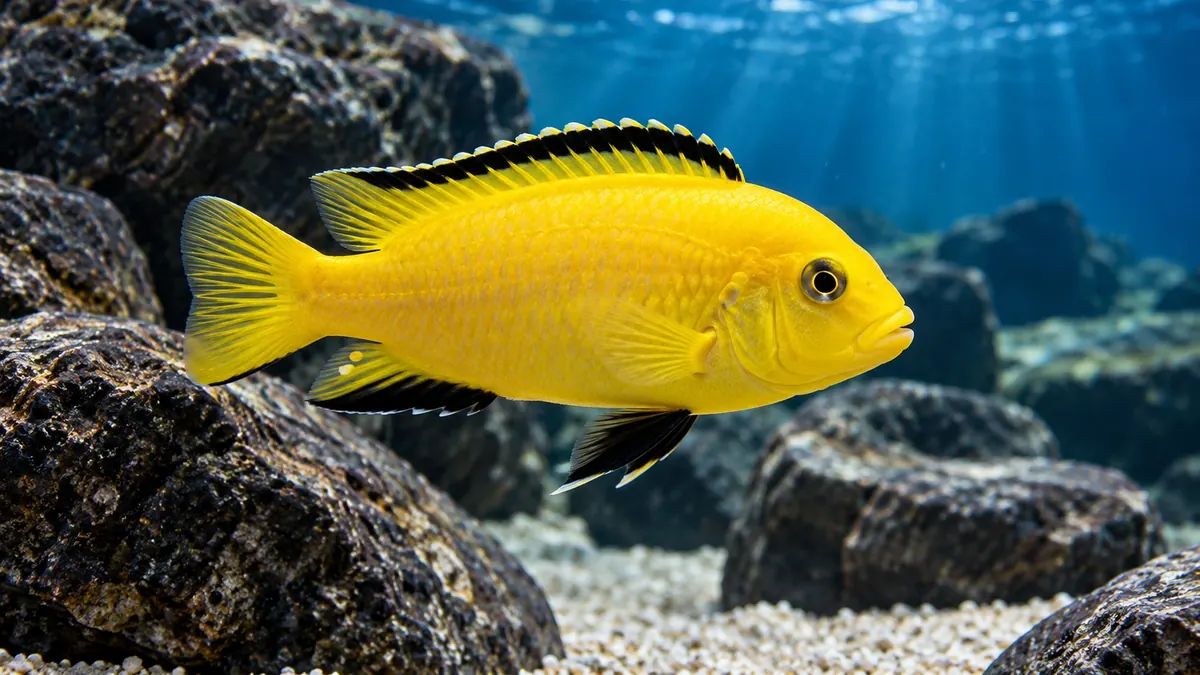 October 31, 2026
Electric Yellow (Labidochromis caeruleus): care, temperament and tank mates
The calmest mbuna and one of the best for beginners: size, tank, water, diet, how to tell males from females, and which fish it lives with.
Read →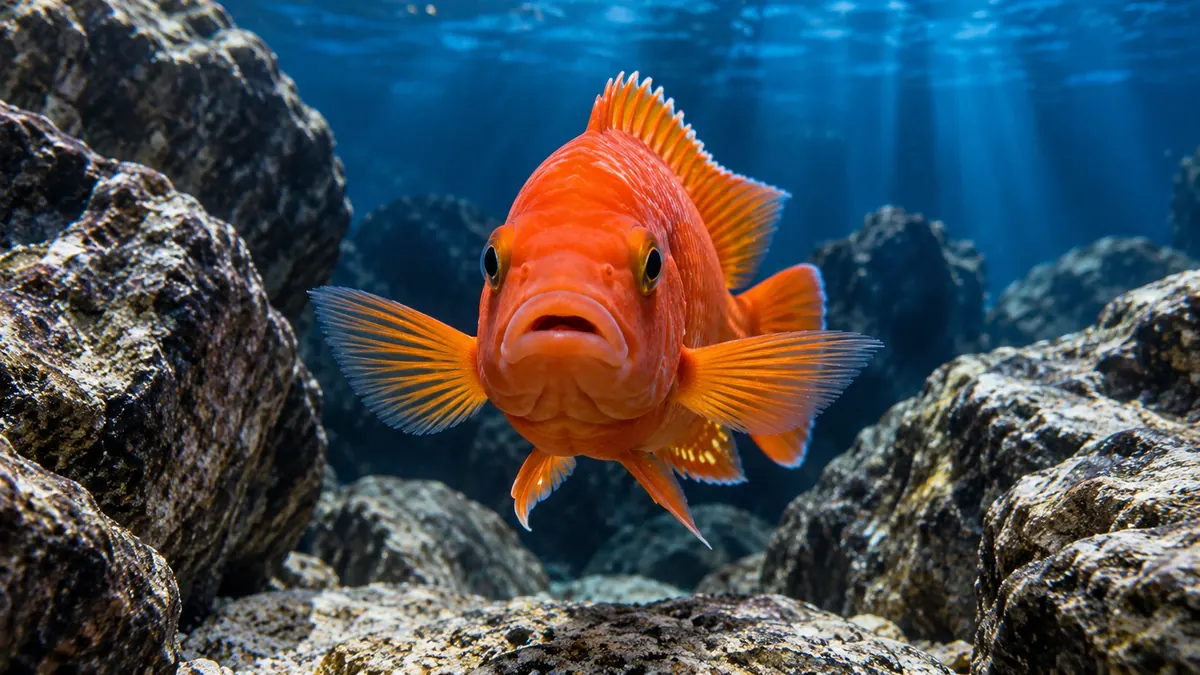 October 31, 2026
Red Zebra (Maylandia estherae): care, colors and temperament
The most popular orange mbuna: its color variants (orange, pink and OB), how to tell males from females, tank, diet and which fish to combine it with.
Read →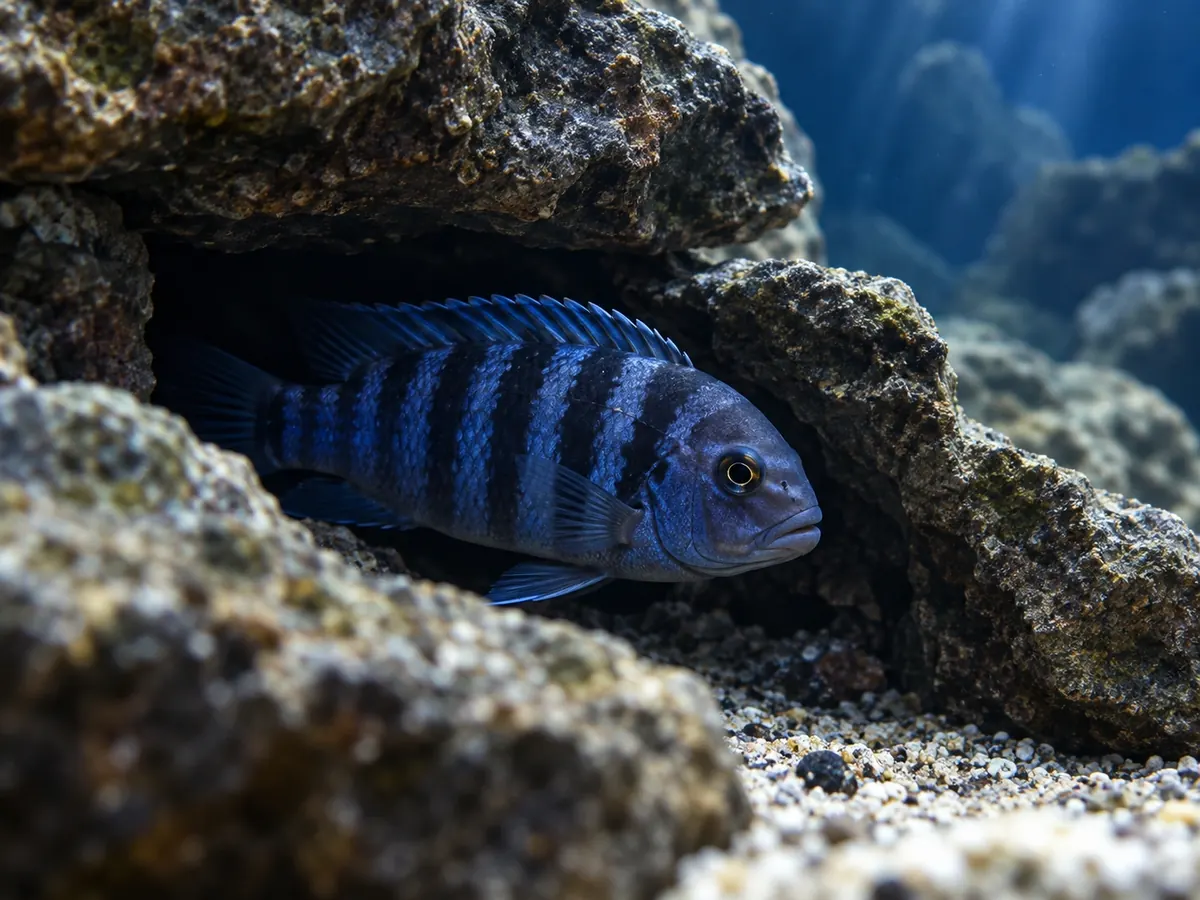 October 30, 2026
Why is my African cichlid losing color or hiding?
A pale or hiding cichlid is telling you something: a new fish, dominance, poor water quality, a female holding eggs or disease. How to find the cause and what to do.
Read →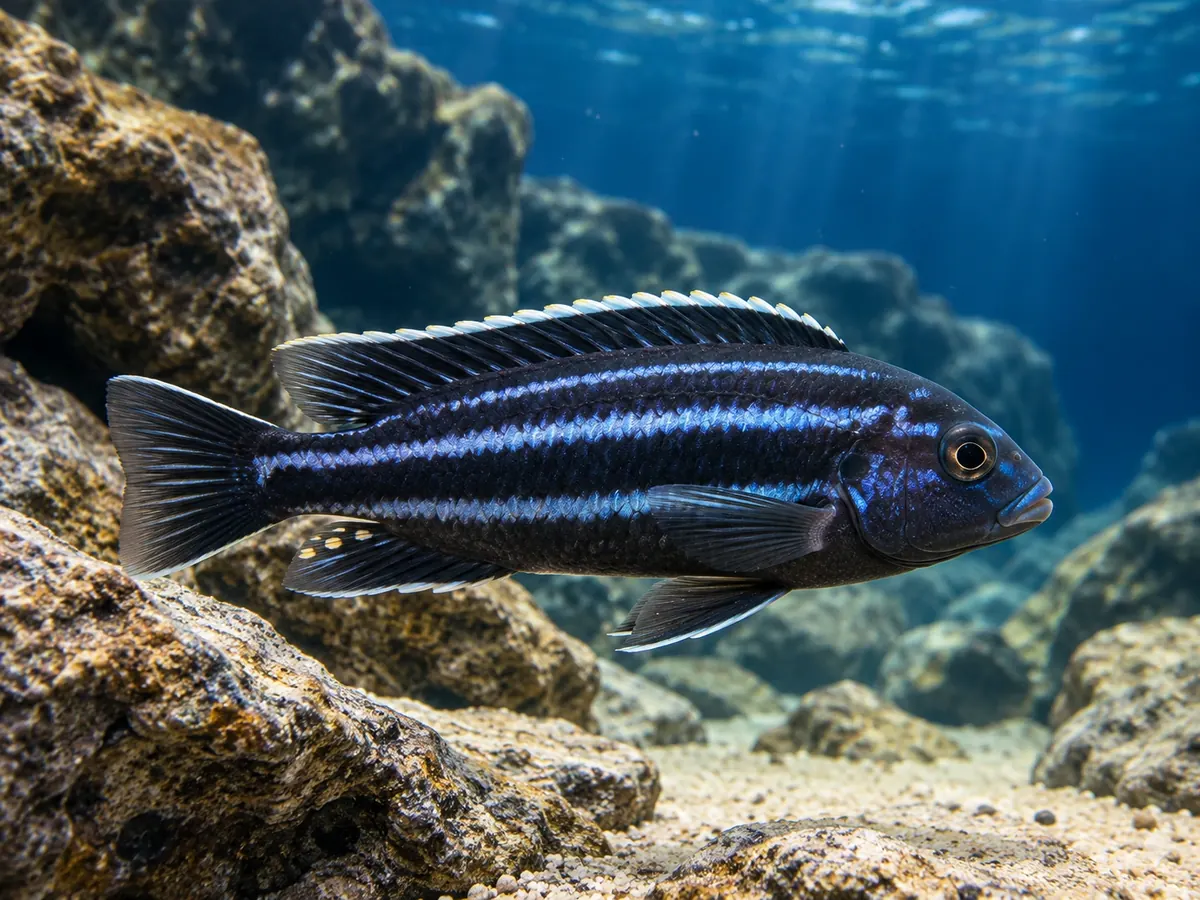 October 30, 2026
Auratus (Melanochromis auratus): care, temperament and tank mates
What the Auratus is like, why the male changes color, the tank it needs, how to feed it and which African cichlids it lives with peacefully.
Read →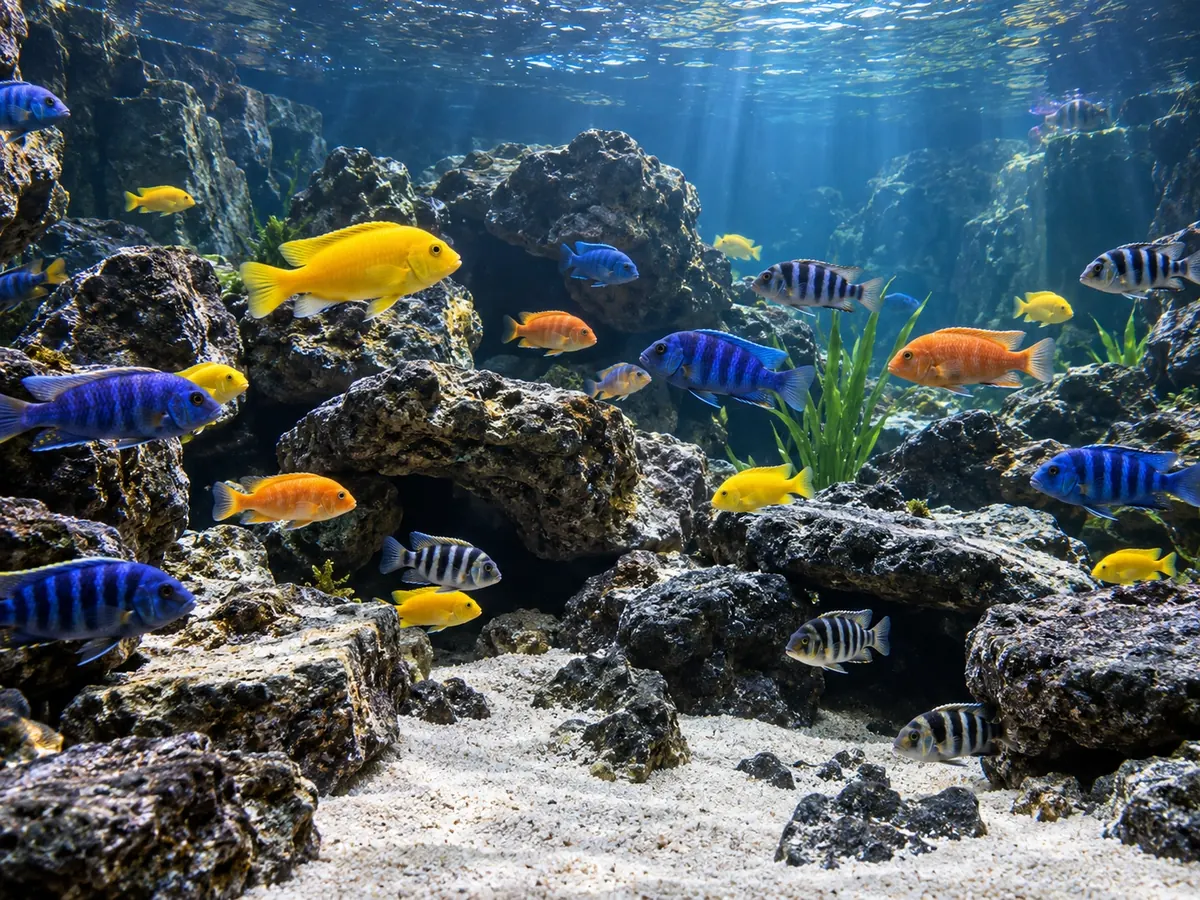 October 30, 2026
Compatible African cichlids: which fish to mix and which to avoid
Rules for combining African cichlids without fights: mbuna with mbuna, peacocks apart, different colors, sex ratios and which other fish can live with them.
Read →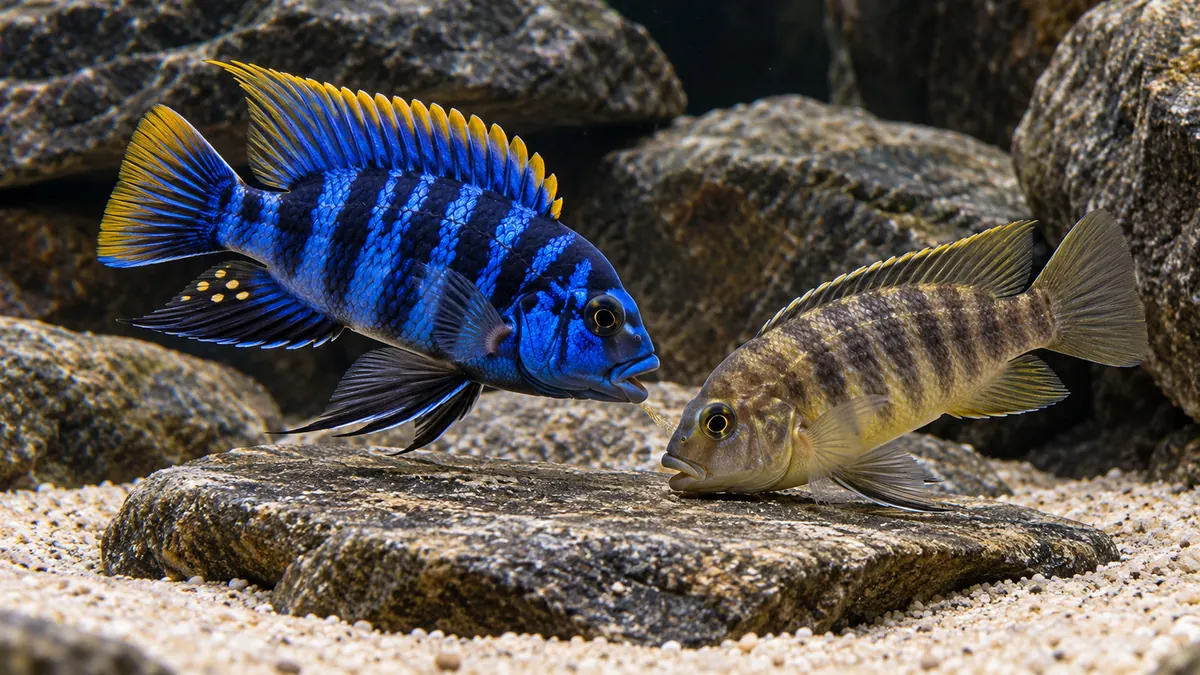 October 30, 2026
How to breed African cichlids: mouthbrooders step by step
From courtship to fry: how Malawi cichlids breed, how to tell a female is holding eggs, what to do with her and how to raise the fry.
Read →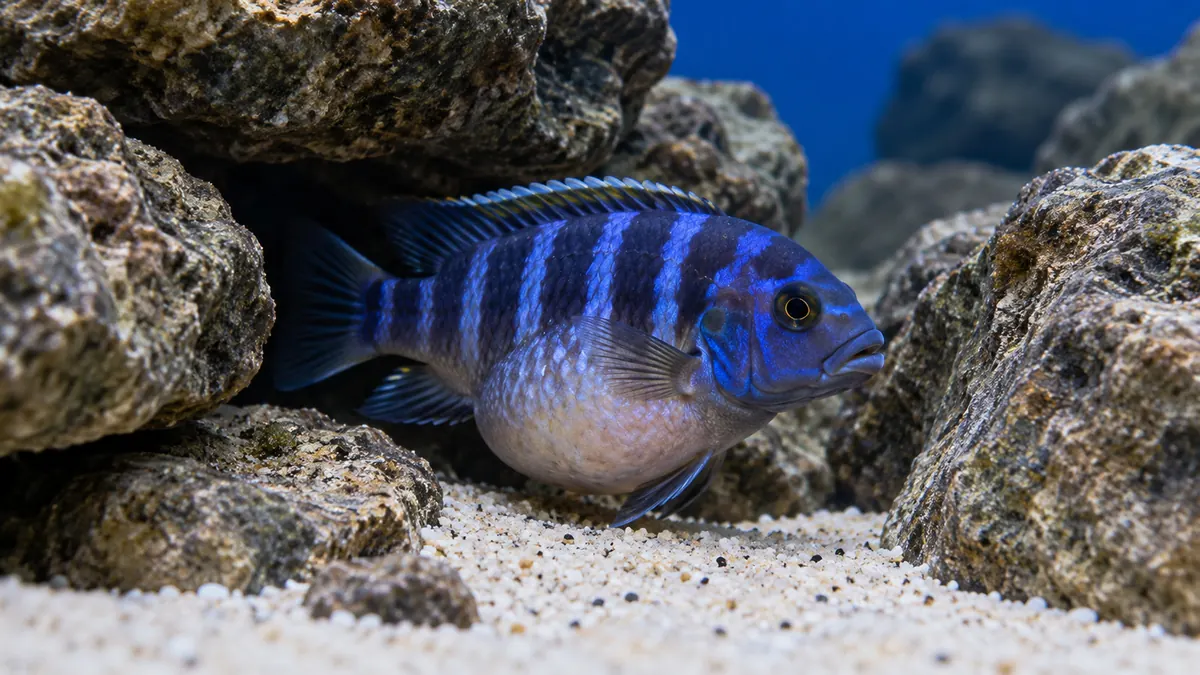 October 30, 2026
Malawi bloat in African cichlids: symptoms, causes and what to do
Bloat is the most feared disease in mbuna. How to spot it early, why it happens, how to act and, above all, how to prevent it with the right diet.
Read →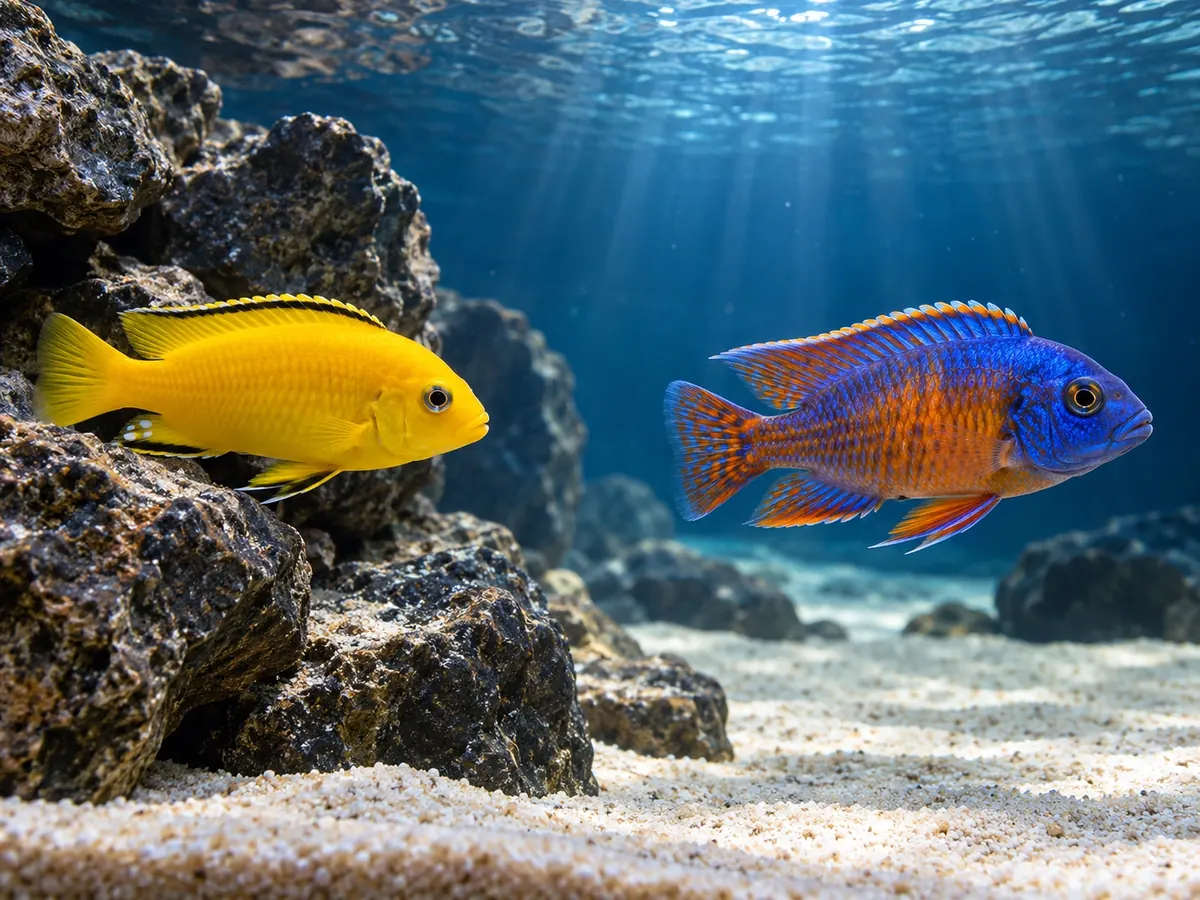 October 30, 2026
Mbuna vs. peacock cichlids (Aulonocara): differences and which to choose
Mbuna and peacocks are the two big groups of Malawi cichlids. How they differ in temperament, diet, colors and tank setup, and which suits a beginner.
Read →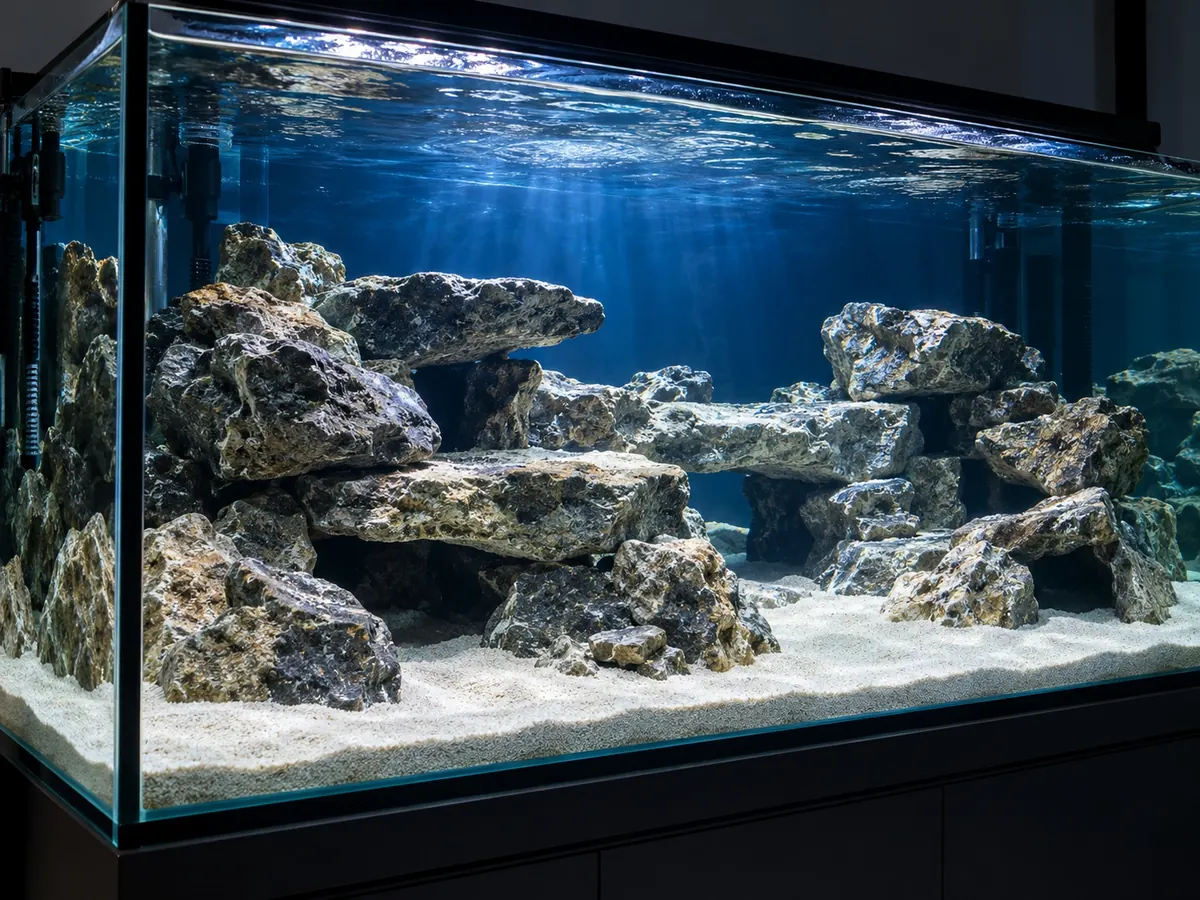 October 29, 2026
African cichlid tank setup: size, rocks and how many fish
What size tank African cichlids need, how to set up the rocks and sand, which filter to use and how many fish fit without fights.
Read →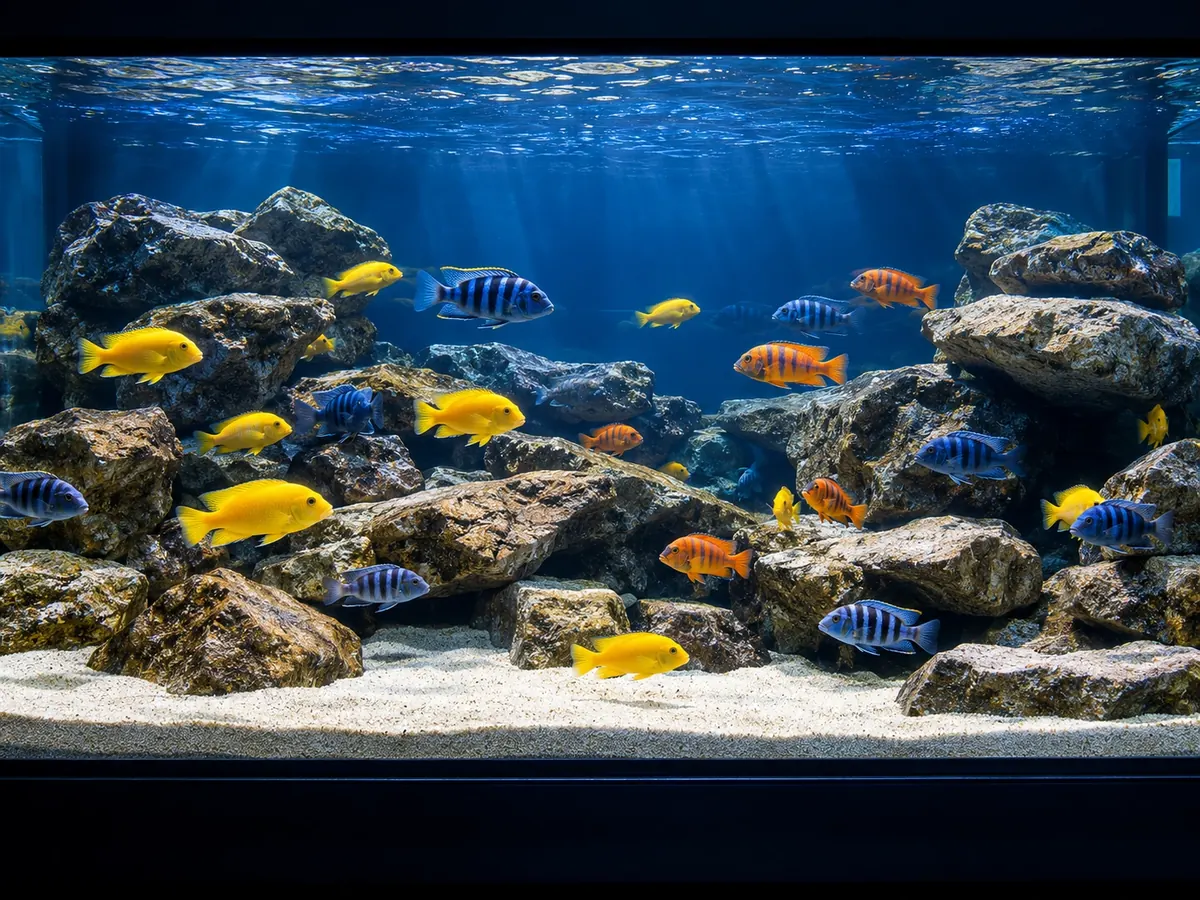 October 29, 2026
African cichlids in Costa Rica: a beginner's guide
What African cichlids are, how mbuna and peacocks differ, what tank they need and how to choose your first fish in Costa Rica.
Read →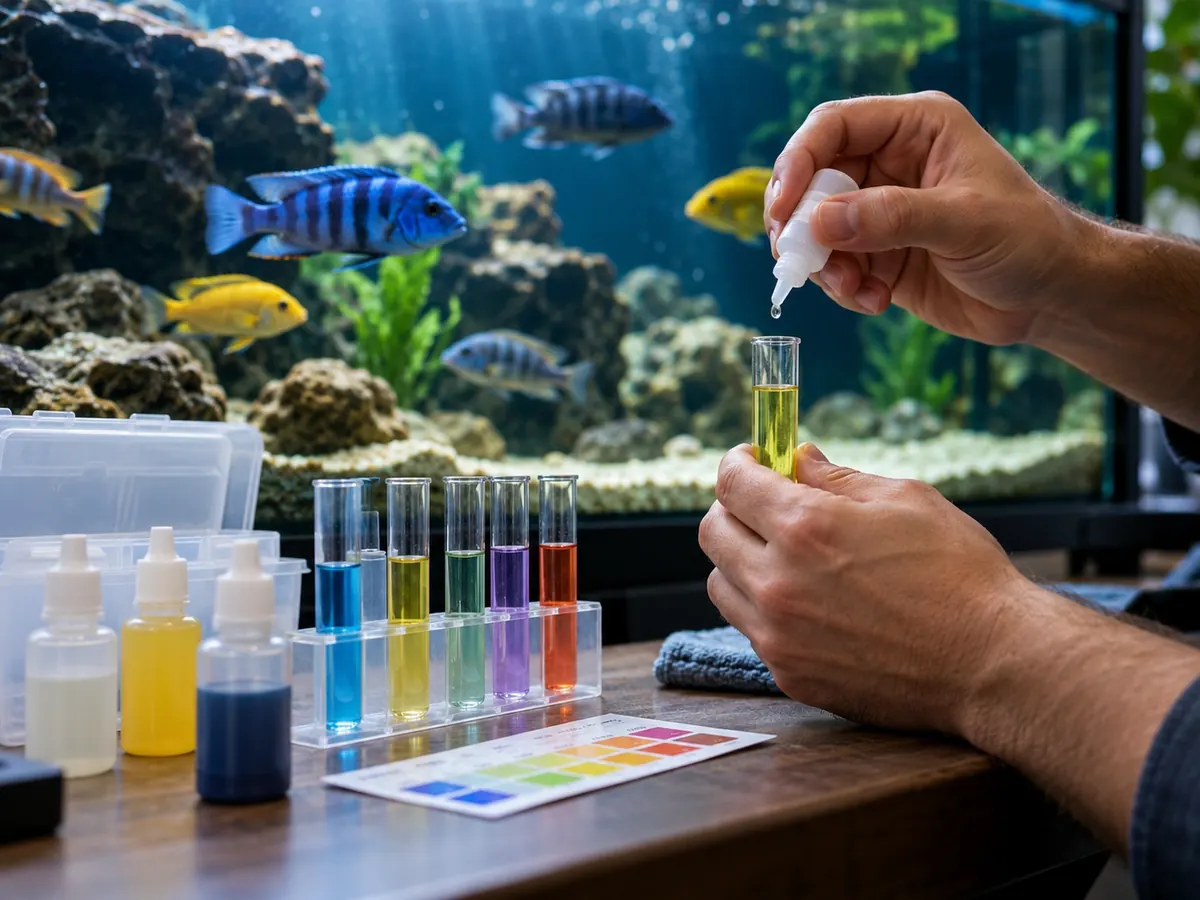 October 29, 2026
Costa Rica tap water for African cichlids: how to prepare it
Tap water from AyA, local ASADAS or wells varies a lot by area. How to test it, remove chlorine and harden it for Malawi cichlids at every water change.
Read →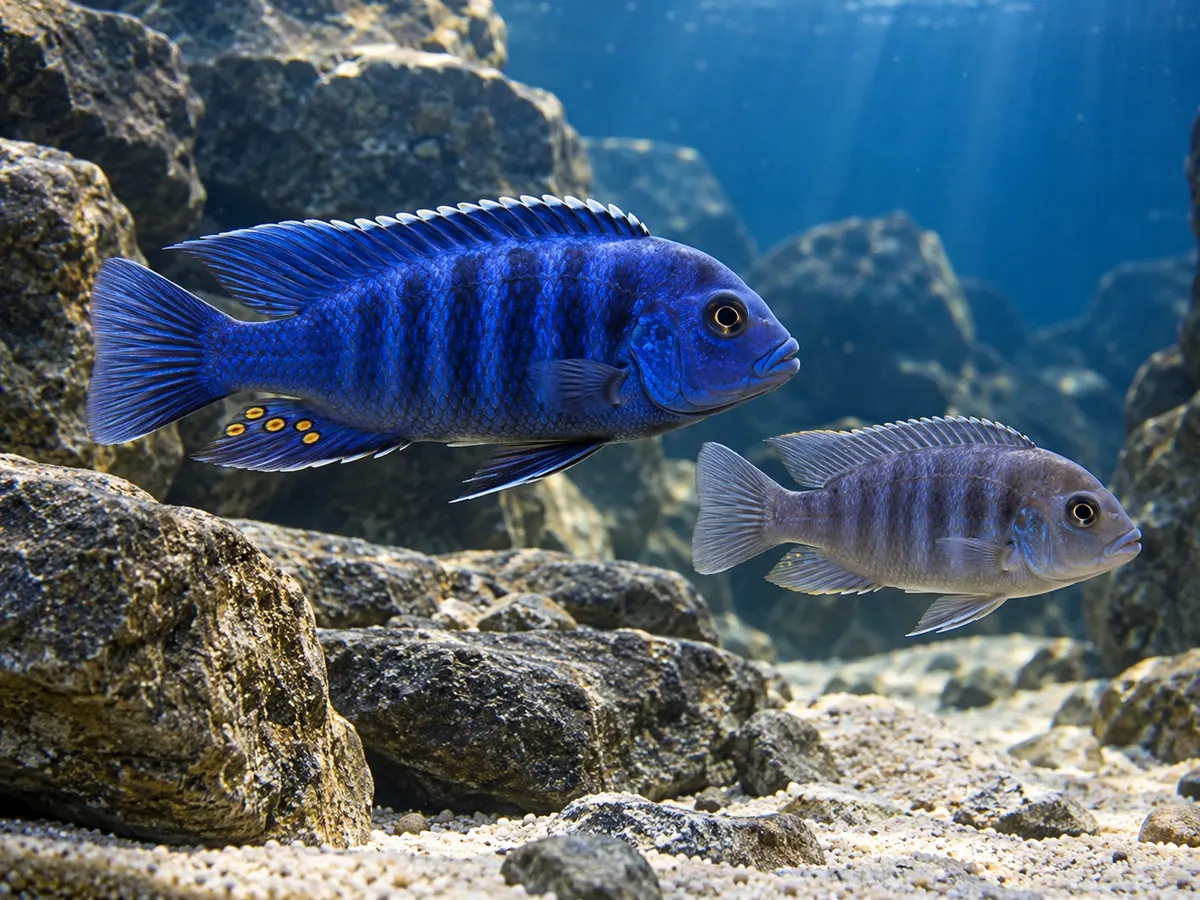 October 29, 2026
How to tell if an African cichlid is male or female
Color, egg spots on the anal fin, size, fins, behavior and venting: the signs for sexing mbuna and peacocks, and which ones fool you.
Read →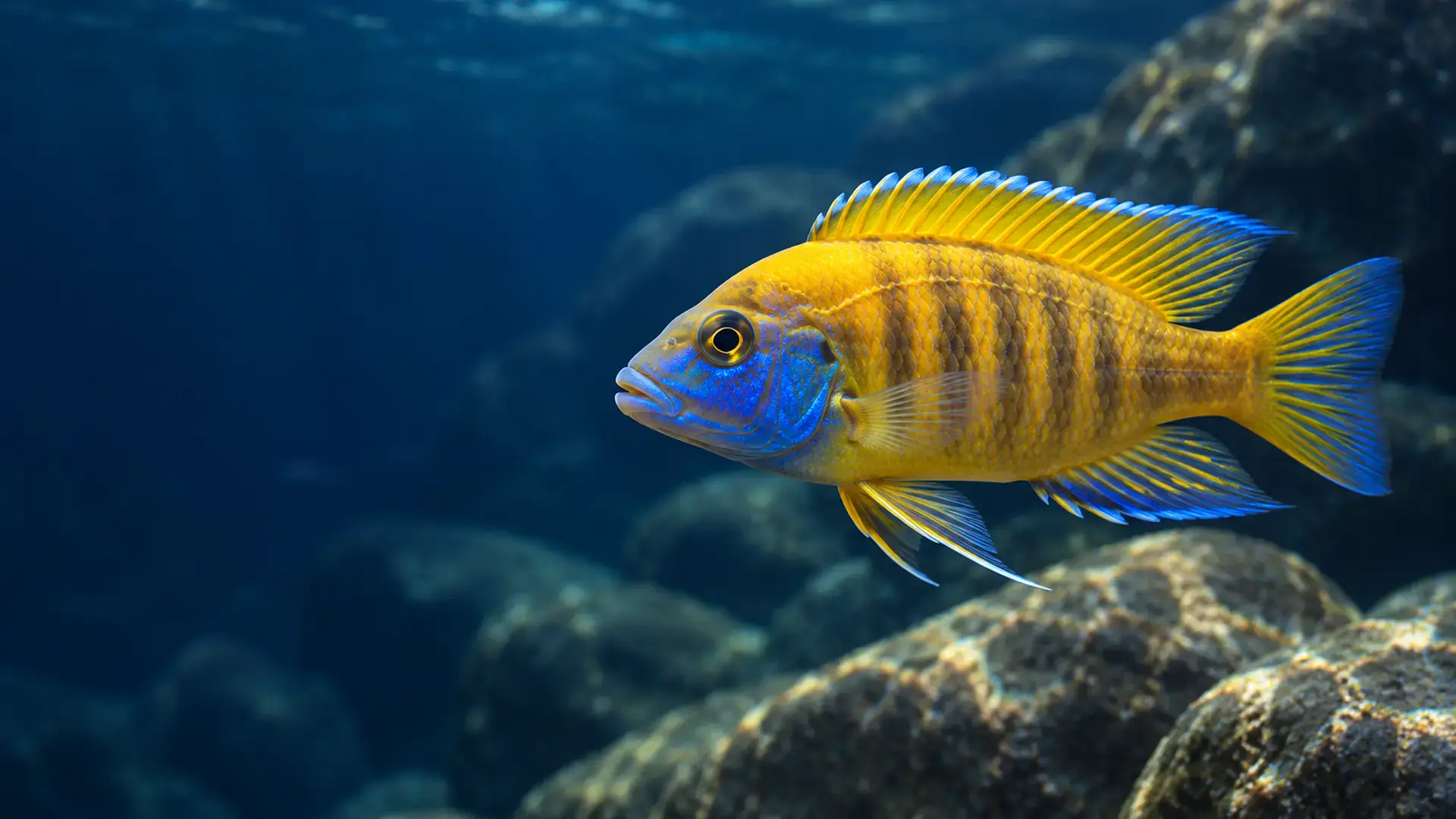 October 27, 2026
Hard, alkaline water for Malawi cichlids: how to get it and keep it
What pH, KH and GH mean, how to test your tap water, and how to give mbuna and peacocks the stable water they need, without miracle chemicals.
Read →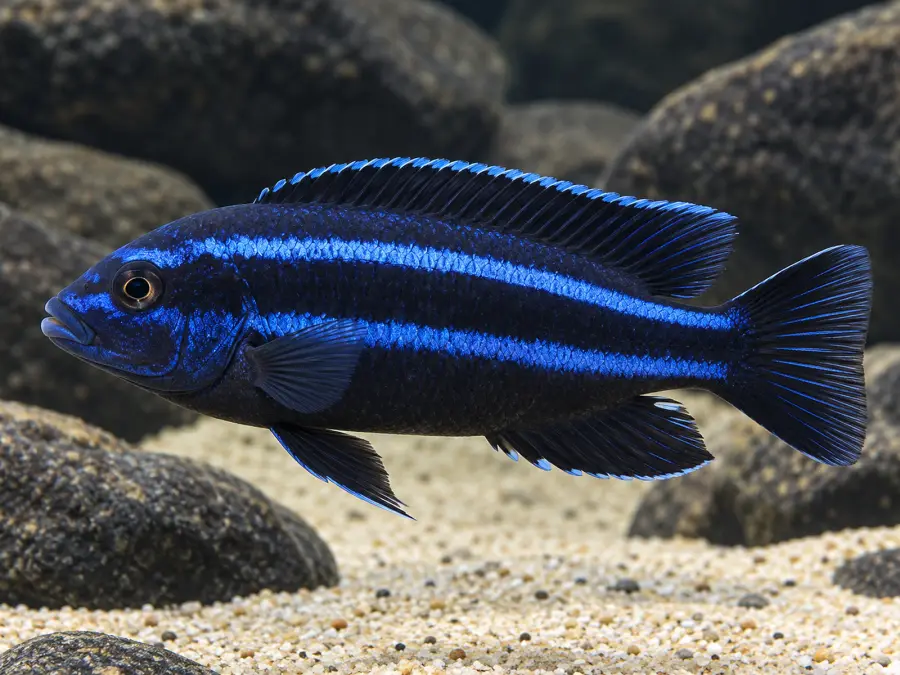 October 26, 2026
New fish: quarantine and acclimation step by step
How to bring new cichlids home without putting your tank at risk: what to check when buying, how to acclimate them and why a quarantine tank is worth it.
Read →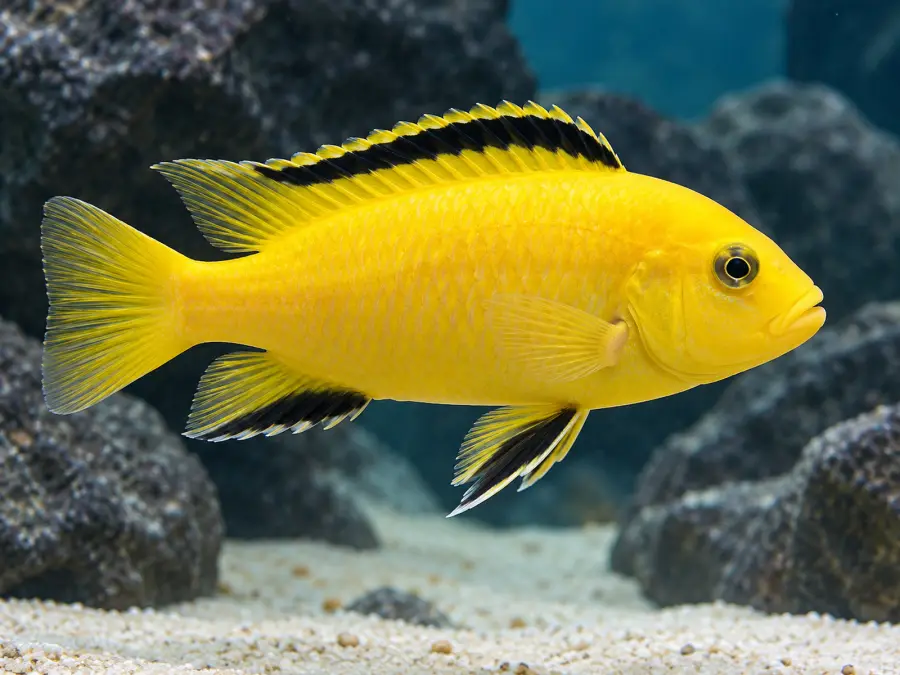 October 25, 2026
What mbuna and peacocks eat (and why it isn't the same)
Mbuna that scrape algae and peacocks that hunt invertebrates in the sand: how to feed each group, how much and what to avoid.
Read →