
November 12, 2026
Common African cichlid diseases: how to recognize them and what to do
White spot, fin rot, fungus, Malawi bloat, hole in the head and wounds: signs, causes and first steps, starting with a water check.
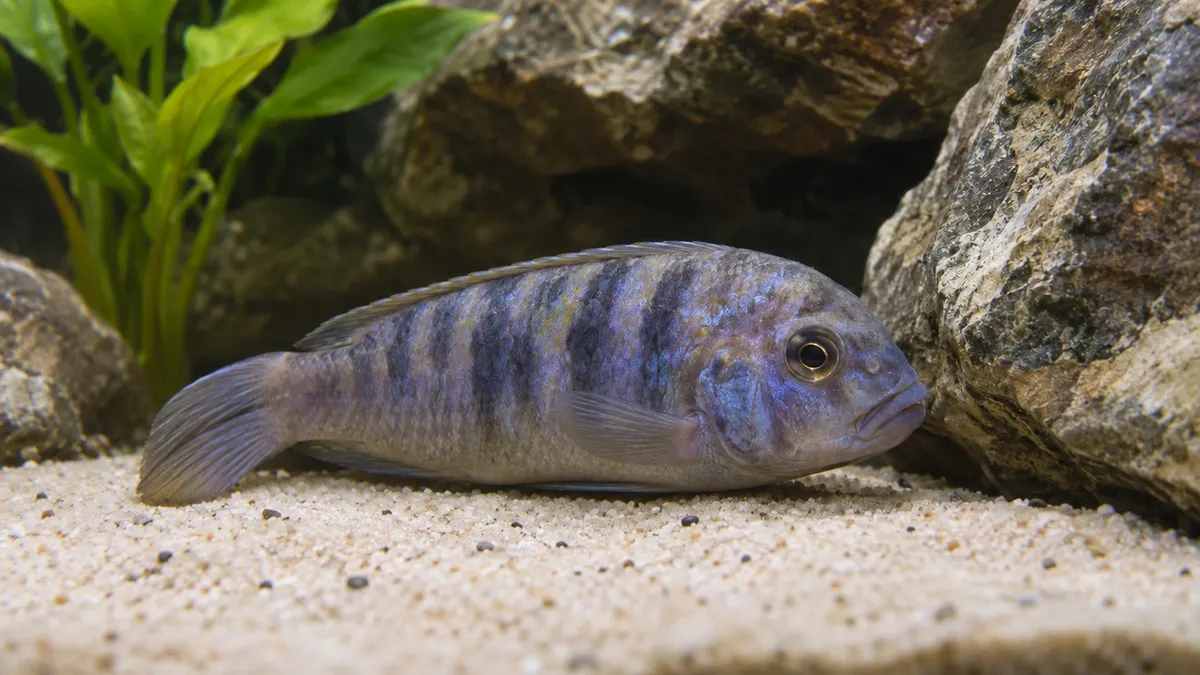
African cichlids are hardy, but not invincible. Most diseases share the same root: poor water, stress or the wrong food. Spotting the signs early makes the difference. This guide covers the most common ones and the first steps.
Important: this is a general guide. When in doubt, always follow the medication's instructions and ask someone experienced.
First: check the water
Before medicating, test ammonia, nitrite and nitrate. A sick fish is almost always a sign of a problem in the tank. If ammonia or nitrite are not at zero, or nitrate is high, do a 30 % water change and check the filter. Often that alone solves the problem. See water for cichlids.
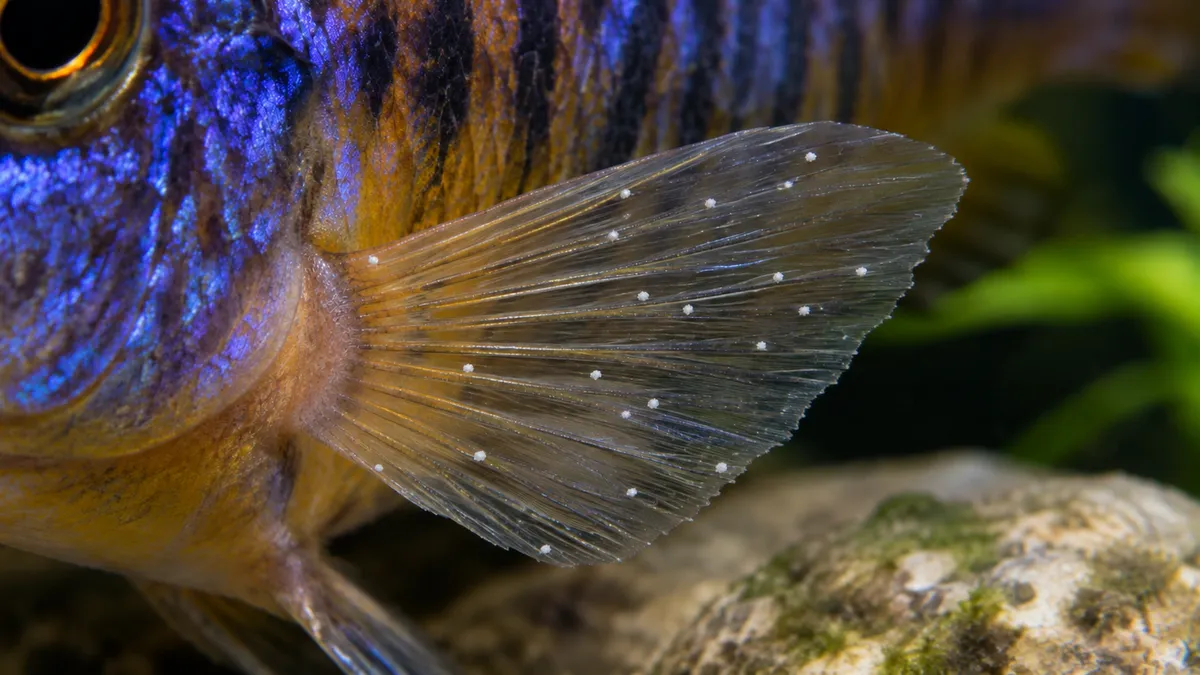
White spot (ich)
Signs: tiny white dots like grains of salt on the body and fins. The fish rubs against rocks.
Cause: a parasite that appears with sudden temperature changes or new fish added without quarantine.
What to do: raise the temperature gradually to 28 to 29 °C and use an ich treatment following the label. If the filter holds activated carbon, remove it during treatment.
Fin rot
Signs: fin edges that look frayed, whitish or keep getting shorter.
Cause: bacteria that take advantage of dirty water or wounds from fighting.
What to do: frequent water changes, separate the fish if it is being attacked and, if it spreads, an antibacterial fish treatment.
Fungus
Signs: white, cottony patches, almost always on a wound.
What to do: good water quality and an antifungal treatment, ideally in a separate tank.
Malawi bloat
Signs: swollen belly, not eating, white stringy feces, fast breathing.
Cause: mainly a diet too high in animal protein for mbuna, or stress.
It is serious and needs fast action. We explain it in detail in Malawi bloat: symptoms and treatment.
Hole in the head (HITH)
Signs: small pits or sores on the head and along the lateral line.
Cause: linked to water with high nitrate and a poor diet.
What to do: more water changes, better food and, if it does not improve, a specific treatment.
Wounds and stress from aggression
Torn fins, missing scales or a fish that hides all the time are usually from fighting, not disease. Review the male-to-female ratio and rearrange the rocks. See why a cichlid hides and compatible cichlids.
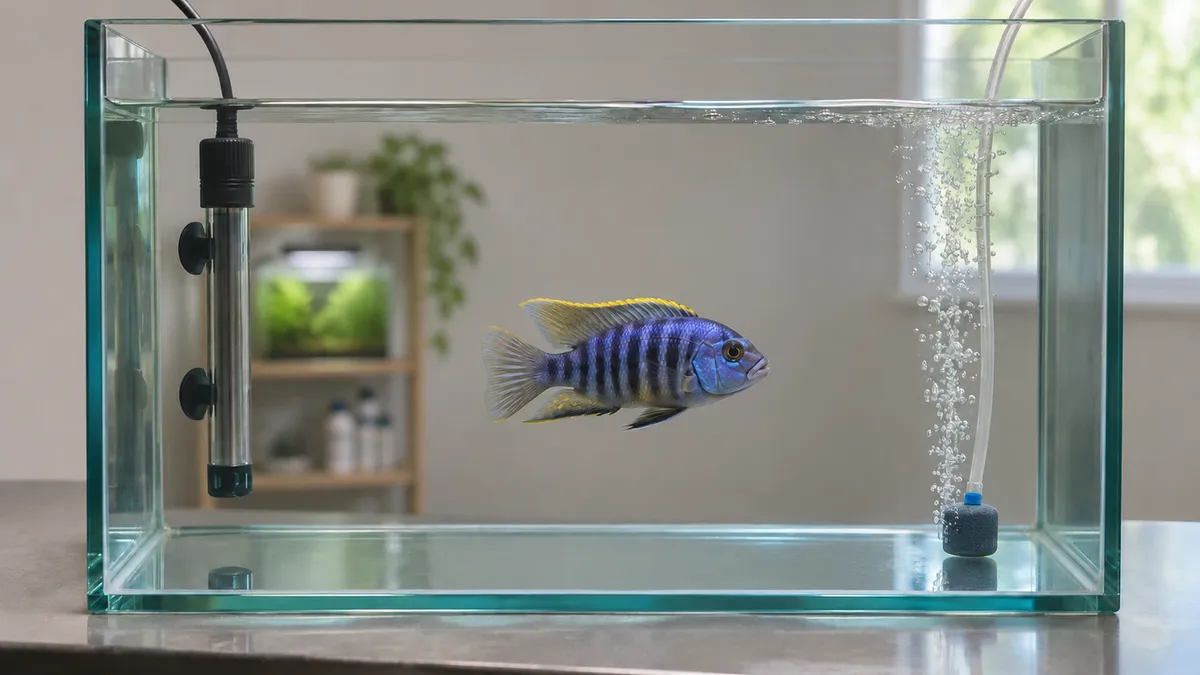
The hospital tank
A small separate tank with a heater, an air stone and no sand lets you treat one fish without medicating the whole tank or harming the main filter's bacteria. It also works for quarantining new fish.
Prevention is easier than cure
- Quarantine every new fish. See quarantine and acclimation.
- Weekly water changes of 25 to 30 %.
- Good food, without overfeeding. See choosing cichlid food.
- Do not overstock, and keep the right male-to-female ratio.
Discuss it in the forumMy aquarium
More from the blog
 November 19, 2026
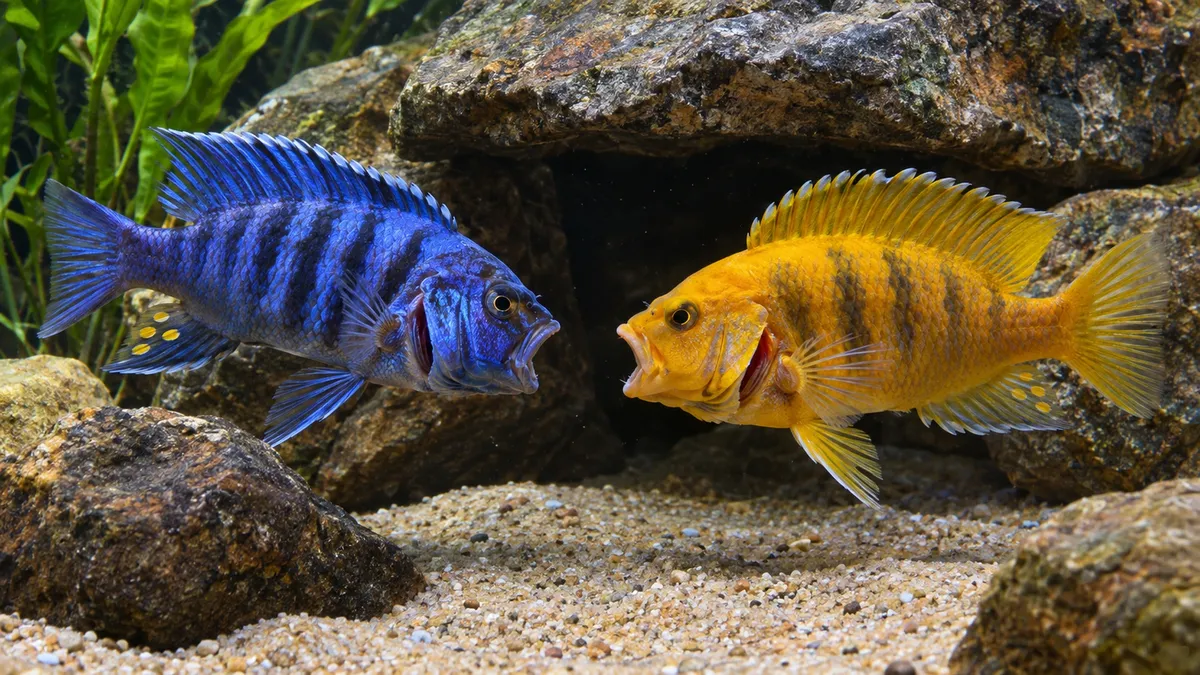
African cichlid aggression: why they fight and how to reduce it
Why African cichlids fight, when it is normal and when it is not, and what actually lowers aggression: sex ratio, rocks, colors and number of fish.
Read →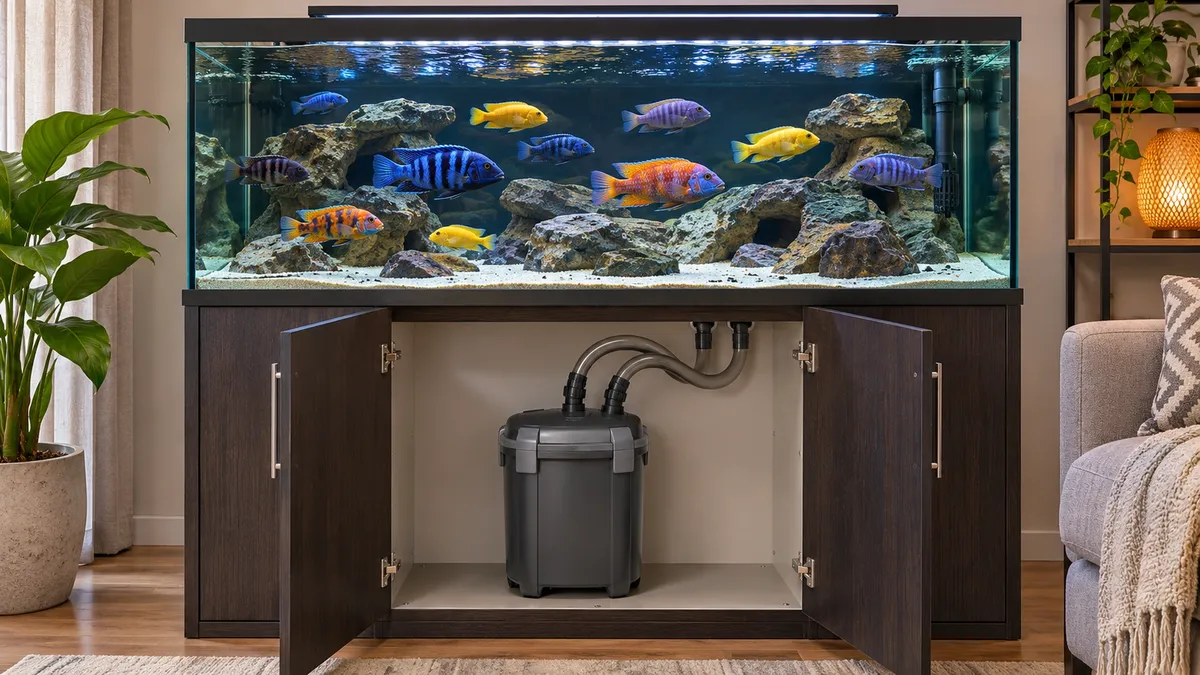 November 19, 2026
Which filter to use in an African cichlid aquarium
How much a cichlid filter should turn over, which type to choose for your tank size (canister, hang-on-back, sponge), how to order the media and how to clean it without losing the bacteria.
Read →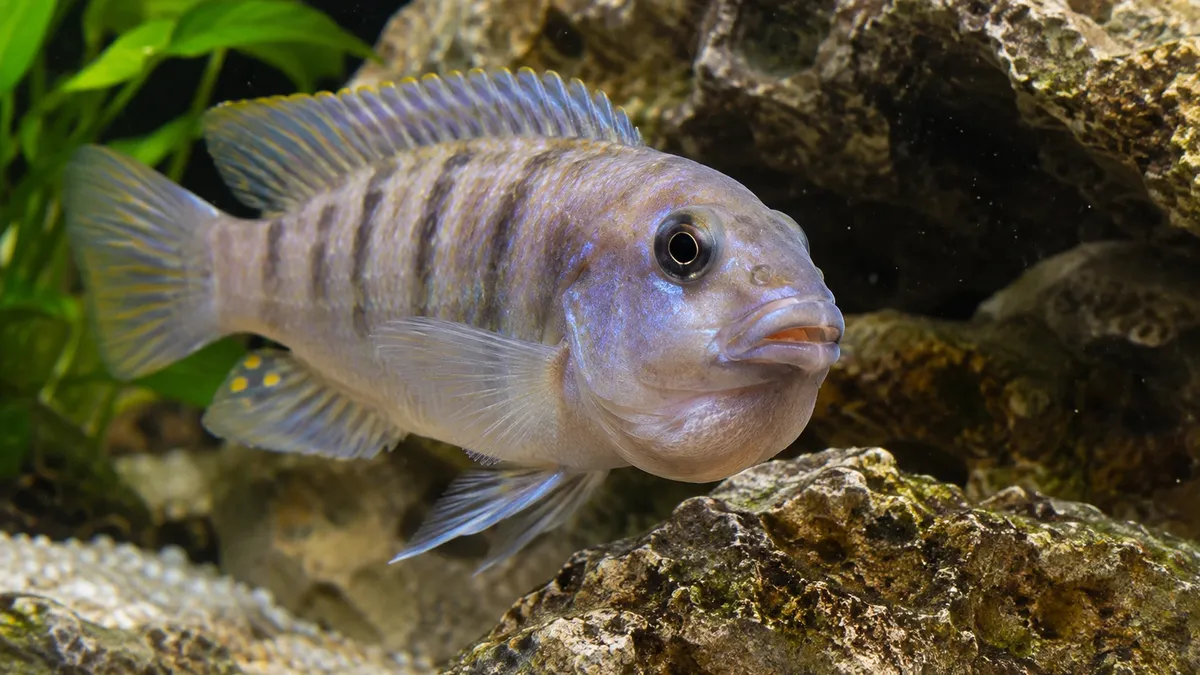 November 15, 2026
Holding female: how to tell if your cichlid has eggs in her mouth
The signs of a holding African cichlid female, how long it lasts, whether to move her, what to do when she releases the fry and how to feed them.
Read →